



East Jerusalem, lacking local leaders to face daily problems, continues on edge
Successive incidents in East Jerusalem are keeping the 350,000 Palestinians on edge as there seems to be no process that can lead to fill the leadership vacuum in the city.
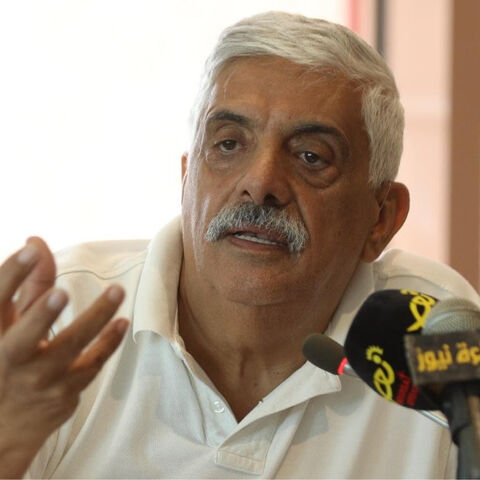

Like any other large city, Jerusalem has its share of daily problems and challenges. But unlike in other such metropolises, one part of the city has a huge leadership vacuum. The 350,000 Palestinians who make East Jerusalem their home are undergoing one problem after another without any process that could create a leadership to address their daily issues.
The week of Jan. 24 is a perfect example. During that week, tens of thousands of people were in the streets demonstrating, complaining and searching for answers about issues that reflect the absence of trust and confidence in Israel and the Israeli authorities.
The week began with a defiant act by people living the holy city in response to what they considered anti-Islamic provocations against Al-Aqsa Mosque. The local Islamic leadership called on worshipers to come out in large numbers for the Friday morning dawn prayers Jan. 24. Despite rain and inclement weather, a very large number of Palestinians showed up in the Old City, including 81-year-old Ekrima Sabri, the former grand mufti of Jerusalem. He is the head of the Supreme Islamic Council in Jerusalem and has been giving Friday sermons at Al-Aqsa for decades.
A week earlier, Sabri had been called in by the Israeli police and verbally told not to enter Al-Aqsa Mosque; the police say Sabri incites violence in his sermons.


