



Young Middle Easterners turning on to podcasts
Young people in the Middle East are turning to podcasts to generate wide-ranging and in-depth conversations on politics, events and other topics of personal interest.
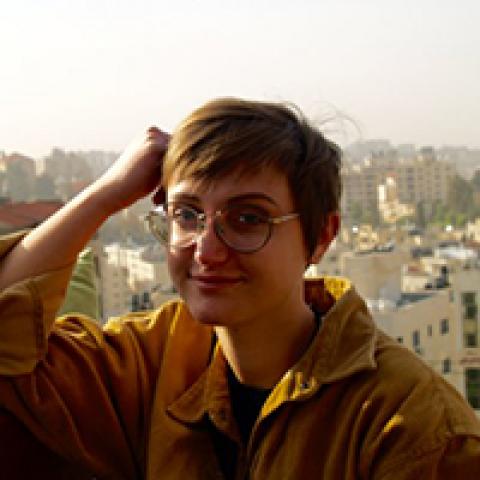

“Most mainstream media in the Middle East isn’t created for us, it’s created for our parents,” said Hebah Fisher, CEO and co-founder of the podcast company Kerning Cultures. Four years ago, Fisher and her partner Razan Alzayani decided they wanted to produce stories that they found interesting, “The kind that we can actually see ourselves in,” she remarked.
Modern day podcasts can be considered the digital descendent of the long tradition of oral storytelling, a strong and time-honored tradition in the Middle East. The podcast format allows storytellers to dive deep into topics typically avoided or only skimmed by mainstream media. Arabic-language podcasts are not meant to replace traditional media reporting, but to offer niche discussions around which people across the region and in the diaspora can connect.
There are currently some 1,000 Arabic-language podcasts produced in the Middle East, compared to nearly 800,000 in the United States. Although the podcast scene in the Middle East is still maturing, listeners there can now hear shows on an array of topics, such as long-form narratives about relationships, the body and the self, and the concept of statelessness, or simply listen to a couple of Saudi guys engaging in a roundtable discussion about cartoons.
“What we like about podcasting is that it allows us to do whatever we want and say almost whatever we want,” said Ammar Sabban, co-founder of the Jeddah-based production network Mstdfr, or “Speaking Out” in Arabic. “It's liberating for us.”


