



Russia weighs two reconstruction strategies for Syria
In the face of US sanctions, Moscow is considering whether the outsourcing of reconstruction efforts for Syria may be better for Russia than a long-term presence.
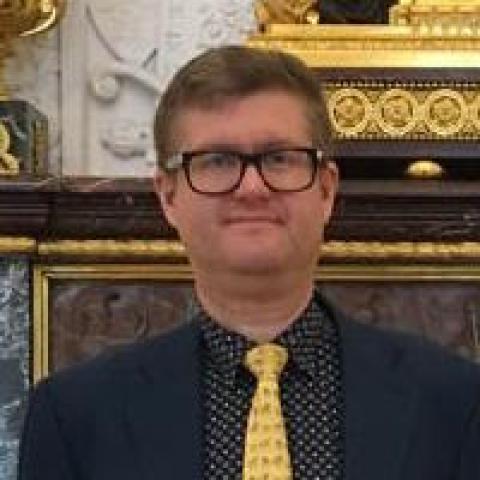

On Dec.17, Russian Deputy Prime Minister Yuri Borisov visited Syria for a meeting with President Bashar Al-Assad. Following the encounter, Moscow announced ambitious plans to broaden its support for Syria’s reconstruction. This could mean $500 million for the development of the Tartus seaport — including building a grain hub — with a view to link the Syrian Mediterranean coast to the Arab Gulf via a railway. Russia is also eyeing investment in the exploration of oil and gas and the allocation of $200 million to restore a fertilizer plant in Homs.
The Russian government has already adopted decisions to, first, deliver another 100,000 tons of grain as humanitarian aid — from the end of this year until spring — and, second, to provide $17 million for UN relief efforts in Syria. These announcements came on the eve of the 12th meeting of the Russian-Syrian Commission on Trade, Economic, Scientific and Technical Cooperation to be held Dec. 23-25 in Moscow. The commission is co-chaired by the Deputy Prime Minister Yury Borisov and Syrian Foreign Minister and Deputy Prime Minister Walid Muallem.
The decisions taken by Moscow raise a key question: whether they signal the Russia’s readiness to sponsor the buildup of a long-term economic presence in Syria, similar to the military and diplomatic efforts Moscow is conducting, or is just laying the foundation for limited and targeted operations. The broader strategy would mean the elaboration of a broad agenda for trade and economic dialogue. The more narrow approach would mean handing over reconstruction efforts to a handful of big private businesses aligned with the Kremlin in tandem with their selective local partners.
At first glance, Moscow seems to be serious about recognizing Syria’s economic reconstruction as part of the national reconciliation process that would address the goals laid down in the 2016 Foreign Policy Concept of the Russian Federation. The document guides Russia’s foreign and international policies. In practice. this means Damascus should be viewed through an economic lens as well as being a partner in the Kremlin’s efforts to ensure the international recognition of Crimea as well as of Abkhazia and South Ossetia. For instance, inviting the Syrians to the 5th Yalta Economic Forum in April 2019 was meant to serve that goal.


