



Israelis from Russia: A voyage from atheism to religion
Despite the secular campaign by Yisrael Beitenu leader Avigdor Liberman, and despite their atheist upbringing, a significant number of Jews who immigrated to Israel from the former Soviet Union have become religious.

In late 2018, Yisrael Beitenu leader Avigdor Liberman dissolved the government he was a part of. Since then, bloody battles have been waged on social media between Liberman’s supporters and opponents. But the opponents in this case are not necessarily part of an opposite political camp. Liberman immigrated to Israel from Moldova in 1978, and a significant part of his electorate are former immigrants like him. The debates for and against his ideas often take place within these circles. In fact, these debates take place in Russian, with the participation of new and old immigrants, who arrived from the Soviet Union or the Commonwealth of Independent States.
Liberman and his demands in the realm of religion and state — civil marriage, public transportation on the Sabbath and enlistment of the ultra-Orthodox — are attacked again and again by those who immigrated, just like him, from Moldova, Russia, Ukraine or Belarus, but hold an essentially different set of values. This group believes that in a Jewish state there is no need for public transportation on the Sabbath, that whoever does not want to marry in the faith of Moses and Israel is welcome to travel to Cyprus or leave Israel — Israeli law enables only religious weddings, not civil marriages — and that the enlistment of yeshiva students is not feasible or really necessary.
The latest figures of the Central Bureau of Statistics on Oct. 29 show that this is a significant group that numbers at least tens of thousands of people, possibly more. It turns out that about 20% of immigrants from the former Soviet Union have become more religious over the years, and that immigrants — both natives of Europe and the United States — are a significant portion — about a third — of those who have become newly religious. This sector of immigrants from the Soviet Union who have adopted a religious lifestyle has two senior representatives in the Knesset: Knesset Speaker Yuli Edelstein and Minister for Jerusalem Affairs Zeev Elkin.
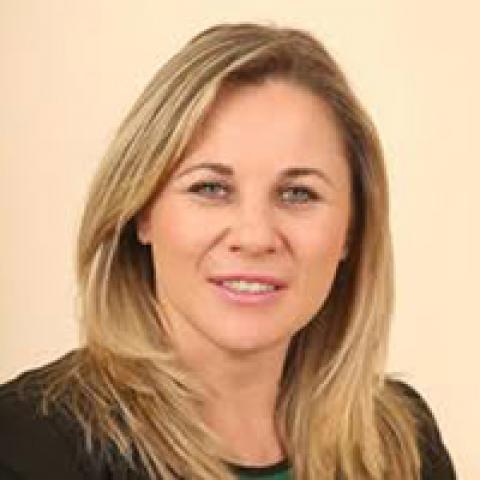
Nadia Aizner, chief editor of the Russian-language news website ReLevant, who lives a religious way of life that she adopted after attending a religious school for girls in Tiberias, is not surprised at these numbers. “It’s clear that no one hears about this group or talks about it, since Israeli society doesn’t know how to relate outside of stereotype," she told Al-Monitor. Everything has to be arranged in defined boxes. You are an immigrant from Russia? Then all day you buy at non-kosher shops, reject religion and are probably not Jewish. Other possibilities just can’t be entertained.”


