



Self-proclaimed marja riles other Iranian ayatollahs
Conservative ayatollahs in Qom, Iran, are losing patience with one of their own because he deems himself a marja, or top religious authority, and because of his secular leanings.
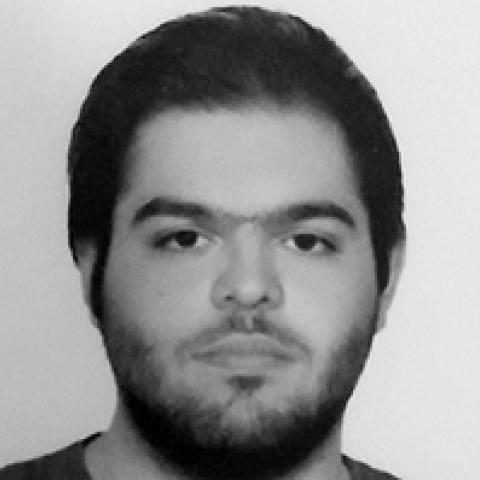

The growing visibility of a grand ayatollah in Iran’s holy city of Qom is arousing the anger of hard-liners who consider him dangerous because he promotes a secular and nonpolitical direction for the seminary there.
Last year, Ayatollah Sayyed Mohammad Javad Alavi Boroujerdi declared himself a marja — a title given to the highest level of Shiite authority. This didn't sit well with Ayatollah Mohammad Yazdi, the powerful chairman of the Society of Seminary Teachers of Qom, who recently berated Boroujerdi publicly.
Based on Shiite belief, every Muslim should choose a marja to follow and practice religious instructions in line with that leader's perceptions. Historically, Shiite marjas weren't appointed or elected by anyone. After studying and being certified for ijtihad (the ability to deduce the rules of Sharia from the sources of jurisprudence) by two marjas, an ayatollah was able to rise to become a marja only after public acceptance, and no state-run institution was considered credible to intervene in such issues.
However, in recent decades, the Society of Seminary Teachers of Qom, which is close to the political establishment, has sought to change the course of history by attempting to handpick marjas. During the 1980s, an entire generation of similarly schooled marjas passed away. So in 1994, the society released a list of seven ayatollahs as the credible marjas for people to follow. That action was unprecedented. Nonetheless, the society argues that its members are senior ayatollahs who are eligible, based on Shiism, to select the marjas.


