



Three princes compete for Yazidi leadership to succeed late prince
Following the appointment of a new Yazidi emir, two other Yazidi leaders announced themselves as new emirs.
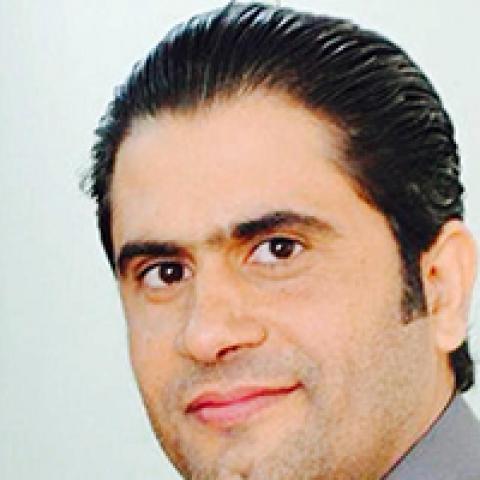

DAHUK — The inauguration of Hazim Tahseen Bek as Yazidi prince caused a rift within Yazidi society due to the way the new prince was appointed, and it sparked controversy over his proper representation of different Yazidi classes and groups. Meanwhile, two others proclaimed themselves to be Yazidi princes — the first in Sinjar and the second in Germany — thus threatening more division among the Yazidi minority following the 2014 Yazidi genocide.
As soon as Bek was inaugurated July 27 at the Lalish temple in Sheikhan east of Dahuk, his appointment provoked division within the family of deceased Prince Tahseen Said. Young elites also objected to the way the new prince was imposed upon them and doubted the legitimacy of the process. They dismissed the appointment as “a step that does not respect the will of Yazidis and does not enjoy the approval of Yazidis in general. It also does not fulfill the wish of late Prince Tahseen Said who recommended that the inauguration have Yazidi approval.”
In a significant development, Nayef Bin Daoud proclaimed himself prince of Sinjar amid blessings from clerics and tribal and influential figures in a temple in Sinjar. A prominent Yazidi figure told Al-Monitor from Erbil, the capital of Iraq's Kurdistan Region, that Kurdish parties opposing the ruling party in Erbil along with the Kurdistan Workers Party instigated this step amid silence and with implicit approval from Baghdad.
Anointing a new emir will tear Yazidis apart at a critical time, as they need to be more united than ever and must decide on the fateful issues related to their future as a minority. Most Yazidis were displaced from Sinjar after the Islamic State (IS) invaded the city in August 2014. Meanwhile, there seems to be no sustainable solution for displaced Yazidis who have settled in the Iraqi Kurdistan Region on the horizon.


