



Ethiopian-Israelis continue mass protests against police brutality
For many in the Israel-Ethiopian community, the killing of Solomon Tekah by an off-duty police officer was the product of pervasive racism among Israel's security forces and the country needs the kind of wake-up call only massive civil disobedience can send.
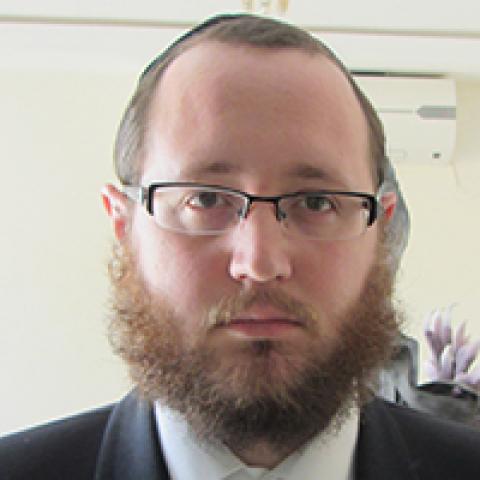

Solomon Tekah, 18 years old, sat with his friends at a playground in the Haifa suburb of Kiryat Haim in the evening of June 30. At some point police officer in civilian clothes shot at Tekah, who was hit in the chest and died on the spot. These are the only undisputed facts in this tragedy. The policeman, who was at first placed on house arrest, was moved to a secret location along with his family for fear they would be harmed in the outrage that followed.
According to the officer, he noticed an altercation among a group of youths at the playground. He identified himself and in response the group attacked him with stones until he was forced to shoot in self-defense. He shot toward the ground but the bullet ricocheted and hit Tekah’s chest, killing him. At this stage the ballistic analysis is inconclusive.
The youths tell an entirely different story. According to them, the officer thought they were robbing another youth and drew his weapon. Later they fled from him and he shot at Tekah. In either case, it even the police seem to agree that the incident should not have ended with the death of the young man.
On July 1, the police tried to talk with the heads of the Ethiopian community to arrange for an orderly protest, but the talks didn’t succeed. On July 2, thousands of community members went out to dozens of sites across the country and blocked intersections for hours, attacking passers-by and security forces and destroying public and private property. The damage is estimated in millions of shekels.


