



Behind the scenes: The birth of the Meretz–Barak alliance
In an exclusive interview with Al-Monitor, Meretz Knesset member Issawi Freij, architect of the surprising agreement to merge the electoral lists of Meretz and Ehud Barak's Democratic Israel for the upcoming elections, explains what happened behind the scenes and plans for the future.
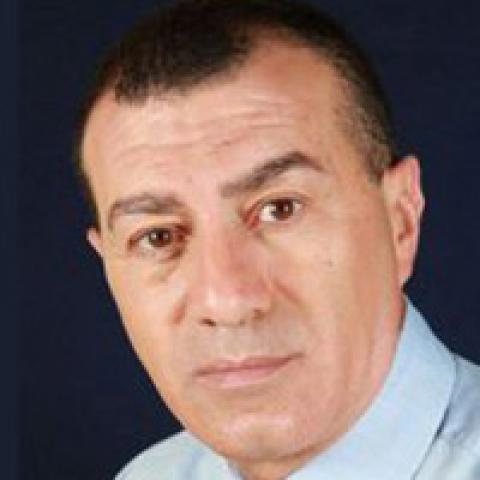

Many people were surprised by the merger of Meretz with Ehud Barak’s Democratic Israel going into September elections when it was first reported on the morning of July 25. Few people knew about the secret talks that led to the parties agreeing to form an electoral list alliance. One person who knew nothing about them was Meretz chair Nitzan Horowitz. He only learned of the negotiations after they were over, when he was presented with a memorandum of understanding ready for him to sign.
In an exclusive interview with Al-Monitor, the architect of the agreement, Meretz Knesset member Issawi Freij, offered a detailed account of the behind-the-scenes events that led to the surprising merger and revealed that former Meretz leader Zahava Gal-On had been consulted during them. The interview, conducted just hours after the alliance was announced, offers a rare glimpse into how the most dramatic move in the current election campaign came to pass.
“I was on ‘Meet the Press’ on Channel 12 last Saturday [June 20],” Freij began. “Sitting on the panel with me were Knesset member Stav Shaffir [who left the Labor Party and will hold the number two spot on the United List] and Noa Rothman, granddaughter of [the late Prime Minister] Yitzhak Rabin, who joined Barak’s party. Ben Caspit [who co-conducted the interview] asked me, ‘What do you want from Barak?’ I told him that there was a deep crisis of trust between Arab society and Barak and that he had to apologize to the Arab public [for the events of October 2000, when Israel Police and Border Police shot and killed 12 Arab citizens and a Palestinian resident of the West Bank during protests in solidarity with the Palestinians at the start of the second intifada]. I also said that I want to hear what he thinks about the Nationality Law.”
As Freij describes it, as soon as the show was over, Rothman, whom he does not know personally, asked to speak to him. He explained, “She told me, ‘We need to merge our parties,’ and I answered, ‘Noa, you just heard what I said.’ I had challenged Barak to take a major step forward. Noa called me the next day and said that Barak is willing to do anything and that he wants to talk to me. I told her that I cannot meet with Barak until he shows greater openness to Arab society. I wanted to set up an obstacle. I didn’t think he would come, but I got the hint and understood that he would be willing to apologize. I didn’t know how far he would go. The truth is that deep inside, I didn’t want Barak to agree.”


