



Will Arabs in Israel revive Joint List for new elections?
Palestinian citizens in Israel lost three seats in the April 10 elections due in large part to the low turnout, which came as a result of apathy and unhappiness about the fact that the united list was divided into two.

No sooner had the new Israeli Knesset voted on May 30 to dissolve itself and hold new elections in September than calls began among Israel’s Palestinian citizens to revisit reviving the united Joint List, which had won 13 seats in the 2015 elections, compared to the 10 seats won by Arab parties in this year's April 9 elections.
Turnout for the Arab parties in April stood at 49%, compared to 63% in 2015. The united list of Hadash (Democratic Front for Peace and Equality) and Ta’al, led by Ahmad Tibi, won six seats, and the combined list of the Islamist Ra'am (United Arab List) and Balad (Tajamu) barely crossed the Knesset threshold of four mandates.
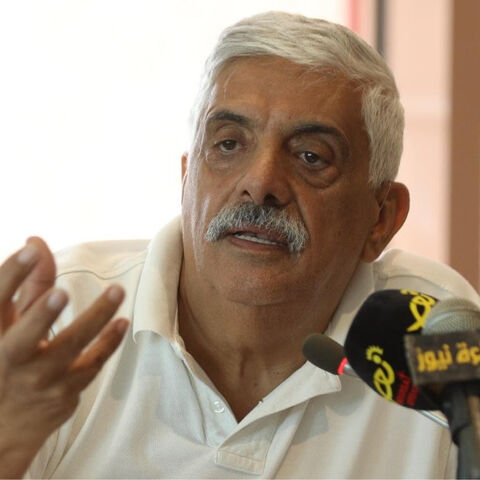
Jafar Farah, director of the Haifa-based Mossawa Center, which promotes equality for Palestinian citizens of Israel, and a leading member of Hadash, told Al-Monitor, “The united Arab list will return for sure. There are now discussions of names of who should be on the lists because in the April elections, Palestinians in the Negev were not represented, and there is a need for changes among some of the nominees for the Islamic and the Balad components. Both [Balad and the Islamists] performed poorly in April.”
According to Farah, “[The Southern Branch of the Islamic Movement will] likely hold new primaries to determine its list members now that the head of its list, Mansour Abbas, has resigned as head of the Islamic list.”


