



Israeli-Arabs key to returning the center-left to power
Comparing Israel’s demographic profile with the results of the recent election show that large numbers of Israeli Arabs not voting, some due to intimidation, had a dramatic impact on the political map.
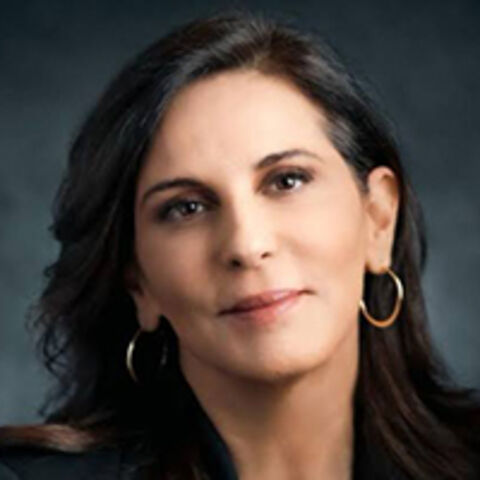

“There will be no change of government without Israel’s Arab citizens. The Blue and White party’s thesis that they can send signals to the soft right and draw voters from that bloc did not stand up to the test of reality,” former Knesset member and Meretz leader Zahava Gal-On told Al-Monitor. Since the April 9 election, Gal-On has seized every available opportunity to speak about the critical need to integrate Arab and Jewish political forces. This, she says, is the only way to bring about a change of government.
Comparing Israel’s demographic profile on the eve of the nation’s 71st Independence Day and the results of the recent election leads to an inevitable conclusion: The seats lost by a large percentage of Israeli Arabs not voting could have had a dramatic impact on the political map and even resulted in a change of government.
Figures released by the Central Bureau of Statistics show that Israel is now home to about 9 million people. Among them, 74.2% are Jews (6.7 million), and 20.9% are Arabs (1.9 million). Then there are the figures for Israeli Arabs who voted in April. According to a survey by the Israel Democracy Institute, 68.5% of the total voting age population cast ballots, but voting in Arab settlements was noticeably lower, at just 49.2%, the lowest voting rate among Israel’s Arab population since the state's founding.
If most Israeli Arabs with voting rights would have taken advantage of that right and cast ballots for Arab parties, it is estimated that those parties would have won 14-15 seats in the Knesset. In the end, the Arab parties won 10 seats, three fewer than in the 2015 election.


