



Shtayyeh government to focus on economy of resistance
New Prime Minister Mohammed Shtayyeh is trying to connect with the Palestinian people to prepare them for austerity measures to withstand the economic pressure being exerted by Israel and the United States.
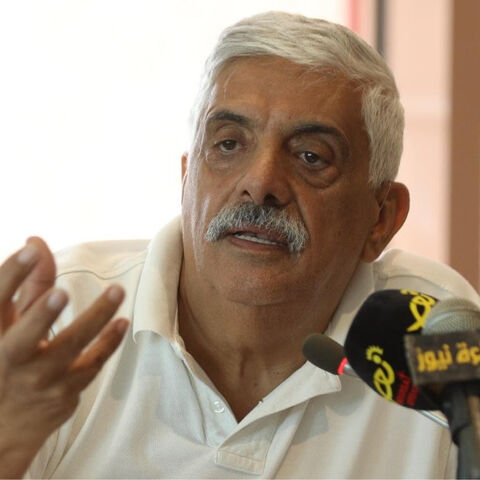

Prime Minister Mohammed Shtayyeh, a Fatah Central Committee member and a leader in the first intifada (1987-1993), appears to be setting his sights on economic austerity and policies of self-reliance, versions of which Palestinians adopted during the first uprising. Shtayyeh told his Cabinet on April 15 at their inaugural meeting that the Palestinians must adopt austerity measures to deal with the difficult economic situation and to avoid having to raise taxes.
“The government is taking over under difficult circumstances,” Shtayyeh remarked to the Cabinet, having arrived at work on foot, rather than in the usual motorcade. A press release by Shtayyeh's office about the meeting stated, “The Cabinet decided to stop buying new cars and to end first-class trips, and all ministers must report their financial status, while at the same time, taxes will not be raised and priority will be given to support the steadfastness of the people of Jerusalem.”
The release also noted that a meeting with international donors is planned for April 30, including briefing them on the financial war being waged on Palestine by the United States and Israel. The location of the meeting was not disclosed.
Shtayyeh is said to be reviewing ways to strengthen the local economy while pursuing an economic policy of steadfastness and resistance. Al-Monitor has learned that to this end and to separate the Palestinian economy from Israel, the government will introduce a plan to phase out use of the shekel, replacing it with other currencies, including the Jordanian dinar, the US dollar or the euro.


