



Iraqi artists keep up pottery tradition
Iraqi pottery craftsmen fear that their ancient craft will disappear, even though this art is now picked up in academia.
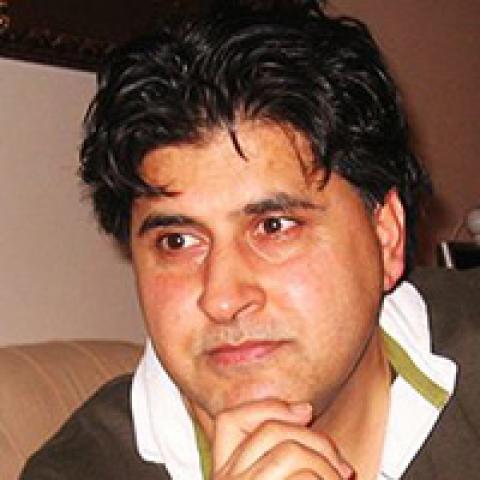

Hussein Shaalan feels nostalgic for the 1990s, when international sanctions against Iraq following the country’s annexation of Kuwait made his pottery business soar. “The 1990s were the last years when this craft was prosperous because imports [which competed with local products] were rare,” the 60-year-old potter from Hillah city in Babil governorate told Al-Monitor.
Today, Shaalan can no longer rely on pottery to make a living as he has done the last 35 years. Industrial development and imported goods now offer people plastic and metal alternatives to the clay pots that Iraqis traditionally used as table and kitchenware.
“There is no more daily use for clay pots. It is an old craft taught by families from one generation to the next, but today there is only one workshop left in the entire city,” he said. “We are merely resisting the inevitable end that gets closer day by day.”
Shaalan looks back at his youth when “every city in Iraq had dozens of pottery workshops where clay pots, jugs, bowls, jars for water and pickled products, cylinders to preserve water and large containers were carefully crafted — all by hand.”


