



Meet Iran’s next potential Ahmadinejad
Given the Iranian public’s disappointment with both Reformists and conservatives, the potential for the rise of yet another populist hard-liner is growing ever more real.
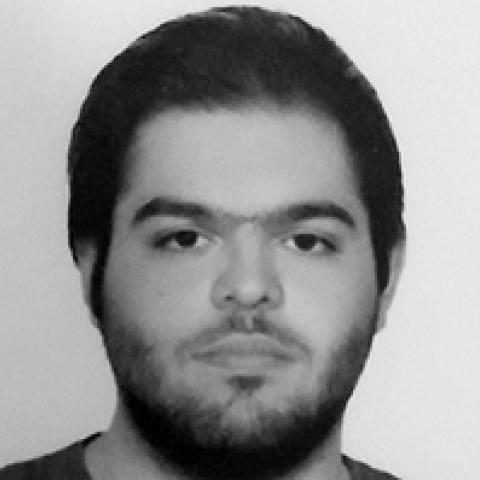

Is Ezzatollah Zarghami the next populist to rise from Iran’s hard-line camp? The recent activities of the former head of the conservative-dominated state broadcaster, who has been in constant verbal clashes with moderate President Hassan Rouhani, certainly raises this question.
Born into a religious family in 1959, Zarghami's father never bought a television. He, however, ended up being a cinephile, binging on movies. In high school, he was a classmate of Hassan Tehrani-Moghaddam, the father of Iran's ballistic missile program who was killed in 2011, and also former Reformist parliamentarian Hamid Reza Katouzian. When the 1979 Islamic Revolution overthrew the shah, then 20-year-old Zarghami was just starting a civil engineering program at Amirkabir University. Soon, he became one of the students who seized the American Embassy, leading to the cutting of diplomatic relations with the United States.
Zarghami also became involved in cultural activities. He joined the newly formed Islamic Revolutionary Guard Corps as a radio anchor during the 1980-88 Iran-Iraq War. For a period of time during the conflict, he led the teams tasked with domestically producing missiles — a first for Iran, which was being showered with missiles fired by Saddam Hussein’s forces as almost no country was willing to sell it arms. Zarghami left the IRGC with the rank of general. In an interview last year, he stated that his resignation stemmed from his interest and activities in politics.
In 1995, Zarghami was appointed deputy culture minister overseeing cinematic affairs, a position he held for two years. During his tenure, he issued harsh guidelines for artists, while the process for getting script approvals became more difficult. His approach was met with dissatisfaction among cinema activists, leading to then-President Akbar Hashemi Rafsanjani distancing himself from Zarghami. He, however, believes he paved the way for artists, claiming to have had friendships with prominent directors, including Abbas Kiarostami, who passed away in 2016.


