



Diminished Israeli Labor Party explores new niche in social justice
Israel's once-powerful Labor Party is no longer perceived as a viable alternative to the ruling Likud, but it could re-establish itself as a fresh, young social justice platform.
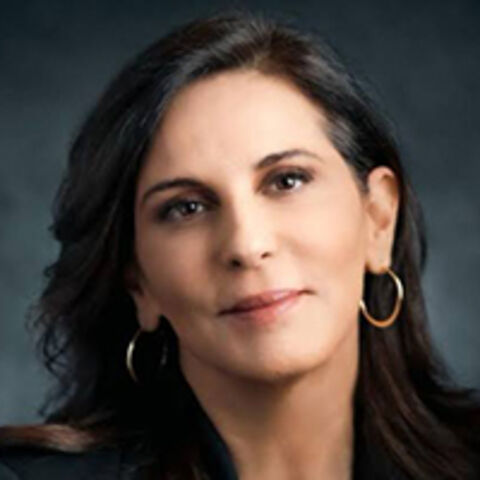

The top tier of candidates elected in the Feb. 11 Labor Party primaries consists of a diverse and high-quality team. Nevertheless, it also indicates that Labor has stepped back from center stage and no longer offers a viable alternative to the current government. Elected to the top two slots were two young Knesset members, Itzik Shmuli (39) and Stav Shaffir (33), both of them icons of the social protest movement in the summer of 2011. Both candidates managed to beat two former party leaders: Shelly Yachimovich came in third and Amir Peretz, a former Labor minister of defense, came in fourth.
Yachimovich and Peretz are both powerful and experienced social brands, too, but the very party that established the state and dominated every aspect of life so high-handedly for decades is now nothing more than a small faction championing a social agenda. The evidence can be seen in the polls of the last few weeks, which give it an average of six to seven seats (similar to the numbers the same polls give to Arab-Israeli Knesset member Ahmad Tibi’s party). The party’s chances of recovery are slim.
In 2015, Labor ran on one ticket with Hatnua as the Zionist Camp. The partnership with Hatnua head Tzipi Livni created a genuine alternative. It opened the door to a new government led by two experienced leaders, Livni and Labor’s Isaac Herzog, under a banner of diplomatic opportunities. It contrasted sharply with Prime Minister Benjamin Netanyahu’s approach to the peace process. But it is not the Labor Party of the 2019 election. In terms of diplomatic affairs, particularly the peace process, the party has been plagued by an identity crisis for years. Efforts by its leaders to appeal to the right have led to the emergence of a very different party from the historic Labor brand. While its members still identify with the center-left and support a two-state solution, most of their focus is on social issues. This orientation is evident in the kinds of legislation that the party supports.
Avi Gabbay, the current Labor leader, grew up in a Likud home. Shortly after being elected to this position, he promised to win 30 seats for Labor, including seats that would have otherwise gone to the Likud. Since then, he has managed to wear away what was left of the party’s diplomatic agenda. From the beginning, he chose to veer right with statements in support of the settlements. While they caused many longstanding Labor Party members to abandon ship, they also failed to draw new supporters from the Likud. It was a lethal error that, as he would learn, would be very hard to fix.


