



Population growth in Iraq raises concerns
Iraq's population is steadily growing, raising concerns about a future economic crisis and the government's inability to provide basic services to citizens.

British Ambassador Jonathan Wilks warned at a press conference last month that, at its current rate of growth, Iraq's population would increase by a million people per year. Iraq's Central Statistical Organization announced soon after, on Oct. 1, that the country’s population had reached about 38 million in 2018, and that Baghdad’s population had reached more than 8 million.
While Iraq has not conducted any comprehensive census since 1997, these figures, combined with the rising unemployment rate, indicate an imbalance between the growing population and the availability of services.
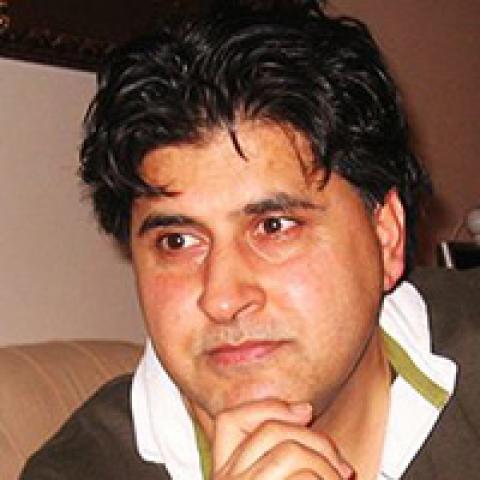
Najeh al-Obeidi, an economics researcher at the University of Baghdad, is worried that the state will not be able to respond to population growth or provide decent living conditions for Iraqis. “This raises concerns about the future," he said. "Baghdad alone has a population equal to that of the entire country five decades ago.”
Obeidi added that the population of Baghdad has grown five-fold since five decades ago, leading to increased demand for food, water, electricity and housing. This "means more burdens on the environment and nature,” he said. “There is a serious demographic explosion and major population growth, which serve as fertile ground for escalated conflicts, violence and fragmentation of the Iraqi society at the political, social, religious and tribal levels.”


