



Who will save Gaza?
Despite celebrating the Trump administration cutting off assistance to UNRWA, Israel knows that without US funding the organization will be paralyzed, making a humanitarian crisis in the Gaza Strip a matter of time.
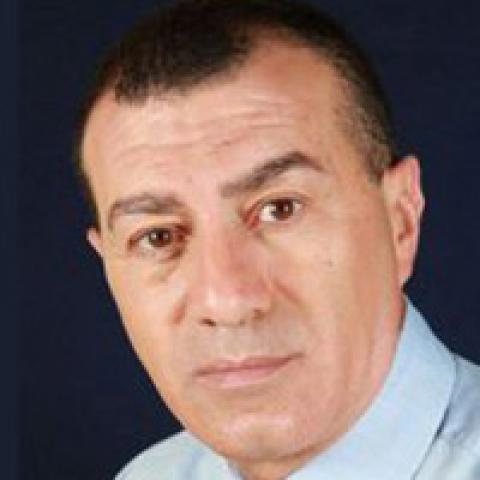

The international donor group for Palestine, the Ad Hoc Liaison Committee (AHLC), will meet in New York at the end of September to discuss the rehabilitation of the Gaza Strip. It will be the first such meeting to be attended by Israel’s Coordinator of Government Activities in the Territories (COGAT) Brig. Gen. (res.) Kamil Abu Rukon as well as Minister for Regional Cooperation Tzachi Hanegbi. It was planned a few months ago as a routine gathering but in light of the American cut in assistance to UNRWA, it has become an emergency meeting to find financial alternatives. According to senior members of Israel’s Civil Administration, UNRWA is likely to collapse in the coming year. One official told Al-Monitor that if successful, the meeting could prevent another war between Israel and Hamas.
The planned get-together in New York highlights the paradox in the relations between Israel, Hamas and the Donald Trump administration. Several Israeli ministers applauded Washington’s decision to cut UNRWA's funding. Nevertheless, Israel is now counting on global funding to save the Strip from collapse.
Israel’s security chiefs, including IDF Chief of Staff Gadi Eizenkot, who has been reprimanded for his gloomy forecasts regarding the deteriorating humanitarian situation in the Strip, try not to talk publicly about the issue. Nevertheless, we learned a lot from a recent radio interview by Maj. Gen. (res.) Amos Gilad, the former head COGAT, chief of the Military Intelligence Research Division and former director of policy and political-military affairs in the Ministry of Defense. “Sharp cutbacks in UNRWA’s budget will lead to the firing of teachers, the closing of health clinics and schools. As a result, more and more people will wander aimlessly on the streets,” Gilad argued. “That means that security will suffer. When you want to dismantle something, you need to create an alternative. Therefore, a competing organization should be founded to replace UNRWA, instead of throwing thousands of people to the streets.”
Israeli politicians are rejoicing over the US moves, at least publicly, but the military leadership is not hiding its consternation over the possible ramifications of the change. This apparent contradiction calls for a further inspection of these two different positions. The military espouses a long-term vision that tries to avoid unnecessary armed conflict with Hamas. The political echelon is concerned about its voters and support base, and offering magical solutions to the Gaza crisis.


