



Khamenei adviser’s Moscow visit stirs foreign policy debate in Iran
The lack of transparency surrounding Ayatollah Khamenei’s foreign policy adviser’s recent trip to Russia, including his announcement of a major deal for Russian investment, has caused heated debate among Iranians.
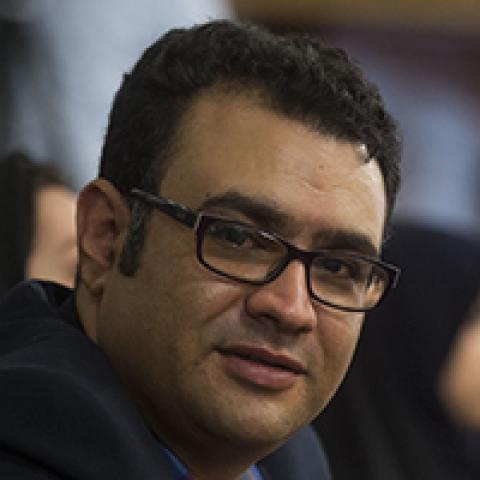

In Iran, political infighting over foreign policy has once again been brought to the fore. This time, the clash is over a recent trip to Moscow by Ali Akbar Velayati, the foreign policy adviser to Supreme Leader Ayatollah Ali Khamenei. Those who support the removal of tensions in foreign policy have severely criticized Velayati’s trip while their rivals have defended it. Meanwhile, the administration of President Hassan Rouhani has tried to play a more neutral role by sidestepping the infighting.
Those in favor of avoiding international tensions over foreign policy say the Foreign Ministry and the Iranian government are responsible for the country’s foreign policy. They have questioned the parallel role being played by Velayati and speculated about whether Foreign Minister Mohammad Javad Zarif is now being pushed to the sidelines.
Velayati met with Russian President Vladimir Putin and other top Russian officials during a four-day visit to Moscow from July 11-14. Of note, Israeli Prime Minister Benjamin Netanyahu was also in Russia for talks with Putin during the same period, which led up to the July 16 summit between Putin and US President Donald Trump in Finland. Velayati’s trip comes as Iran and the European parties have failed to reach a decision on the fate of the Joint Comprehensive Plan of Action (JCPOA) following the US exit from the deal in May. In early July, during a visit to Austria and Switzerland, Rouhani had warned that Tehran may block the strategic Strait of Hormuz, through which a major portion of seaborne oil is exported, in retaliation for looming US sanctions on Iranian crude sales.
With the opportunities that had opened to Iran following the signing of the JCPOA starting to diminish and newfound trade partners being lost, Tehran has been left with no choice but to turn to its old options of Russia and China for economic cooperation. Those opposed to the Rouhani administration are in favor of strengthening cooperation with these nations, while those who want a foreign policy aimed at removing tensions are not too keen about the latter. In this context, Velayati’s Moscow visit means that Russia will probably have a stronger foothold in Iran’s economy and politics than before.


