



Baghdad pays homage to nationalist poet who fled under Saddam Hussein
The Baghdad municipality has announced that it will turn the house of Arab poet Mahdi al-Jawahiri into a museum. It remains to be seen whether Iraq will also get his remains back from Syria, where Jawahiri lived after fleeing Iraq in 1980.
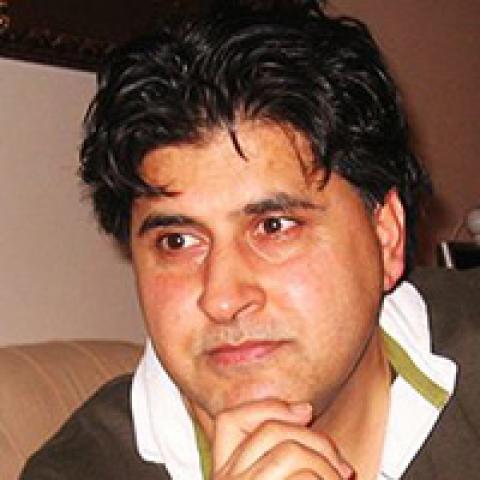

Baghdad will honor Muhammad Mahdi al-Jawahiri, one of the finest Arab poets of the 20th century, by turning his house, a building in southwestern Baghdad that dates from the 1970s, into a museum and cultural center carrying his name.
The municipality’s decision, announced May 20, is in homage to the poet who fled Iraq under Saddam Hussein in 1980, settled in Syria and died there in 1997. The museum is likely to be opened next year, which marks the 120th anniversary of Jawahiri’s birth. It also would be the first museum dedicated to a poet in Iraq.
The move comes after various literary and cultural groups, such as the Union of Iraqi Writers, which Jawahiri presided over in the 1970s, lobbied for a museum and center that would contain his archives and memorabilia. Some Iraqi poets and writers also made a request in 2012 to the president to transfer the poet’s remains, buried in a cemetery in Damascus, to his family's cemetery in the Iraqi city of Najaf.
Jawahiri was born in Najaf on July 26, 1899, into a family that included many religious scholars dating to the 11th century. Jawahiri’s father wanted his son to follow in these footsteps, so at an early age, young Jawahiri learned and memorized the Quran and took lessons in reading, writing, grammar, jurisprudence, rhetoric and eloquence. He was, however, more interested in poetry and politics than religious studies. In 1928, he published his first collection of poetry, "Between Feelings and Emotions.”


