



Is Israel's Zionist Camp on the brink of breaking up?
The appointment of Zionist Camp senior Isaac Herzog as chair of the Jewish Agency offers Hatnua leader Tzipi Livni the chance of a lifetime to return to center stage.

On June 24, the Jewish Agency approved the appointment of the Zionist Camp’s Isaac Herzog as its next chairman. In accepting the nomination, Herzog effectively resigned his position as Knesset opposition leader. The prestigious appointment generated all sorts of shockwaves, including an ultimatum by the Zionist Camp's Tzipi Livni issued the following day. It was hard to miss the fleeting expression of shock on the face of Zionist Camp leader Avi Gabbay during the party’s Knesset faction meeting, where Gabbay found himself ambushed by Livni.
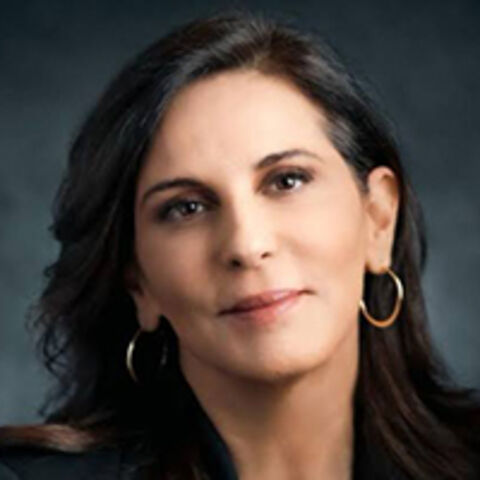
During a live broadcast, Livni demanded that she be appointed to replace Herzog as opposition chair, or she would end her party’s partnership with Labor. Hatnua, Livni's party, and Labor are the two factions in the Zionist Camp alliance. Livni’s statement, clearly a carefully crafted message, was fired with remarkable precision to catch Gabbay off guard: “I see the opposition leadership as essential for the continuation of the partnership. It can be a great opportunity to strengthen the partnership,” she said. This hit Gabbay before he had even had time to recover from Herzog’s surprise move.
Less than a week after learning that Herzog was the leading contender to head the Jewish Agency, Gabbay was dealt the second blow, even more devastating than the first. Once Gabbay internalized Herzog’s appointment, he actually came to regard it as useful. After all, the position of Jewish Agency chairman, sometimes called the “prime minister of the Jewish people,” is a highly regarded official position. For Herzog, getting it was a personal victory over Prime Minister Benjamin Netanyahu’s candidate, Likud Minister Yuval Steinitz. At the same time, it also represented a victory for Labor and the center-left camp. Having suffered one defeat after another for the past few years, they could finally enjoy the moment, but it passed in an instant. As soon as the Jewish Agency’s board of directors unanimously approved Herzog’s appointment, the battle to succeed him as opposition chair erupted suddenly and openly.
When Gabbay was elected Labor chair in July 2017 to replace Herzog, he could not assume the role of opposition chair — traditionally reserved for the leader of the largest opposition party — because he was not a member of the Knesset. This resulted in an anomalous situation in which the outgoing Labor chair, Herzog, remained opposition chair, a position considered a symbol of governance, even after Gabbay replaced him as party leader.


