



Palestinian leadership faces monumental decisions
The Palestinian Central Council faces some tough choices when it meets in Ramallah, but it is unclear what consensus can be reached on.

The 80-plus members of the Palestinian Central Council (PCC) who are expected to convene for a two-day meeting Jan. 14 in Ramallah face potentially monumental choices. Yet, on the eve of this crucial meeting, nothing resembling consensus can be discerned. The choices range from dissolving the Palestinian Authority (PA) to ending security cooperation with Israel to withdrawing Palestinian recognition of Israel to the declaration of Palestine as a state under occupation. Each choice has its advantages and disadvantages, its supporters and opponents.
While the location of the meeting has been set, two logistical unknowns remain. They are whether Hamas and Islamic Jihad representatives will attend (either as full members or in a symbolic manner) and whether members unable to reach Ramallah (whether from Gaza or from outside of Palestine) will be able to participate via video conferencing.
Press reports have suggested that Hamas will participate symbolically as it did, along with Islamic Jihad, in the last PCC meeting, held in March 2015. Both organizations have been officially invited by the secretariat of the Palestinian National Council (PNC), the highest body of the Palestine Liberation Organization (PLO).
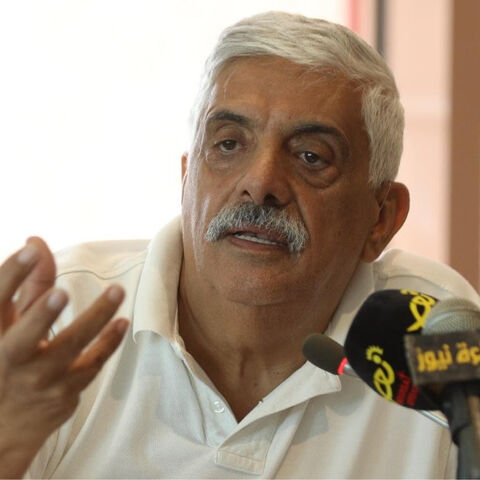
Hani Almasri, a well-respected Palestinian pundit and former director general of Masarat — The Palestinian Center for Policy Research and Strategic Studies, feels strongly about the need for meeting and for using video conferencing. Almasri said PCC meetings should be held more regularly and that it is crucial to deliver a message of unity among the Palestinian people regardless of where they live.


