



Israeli settlers use cemeteries to gain foothold on land
The decision to bury terror victim Rabbi Raziel Shevach in the unauthorized West Bank outpost where he lived serves the settlers’ agenda of establishing facts on the ground.
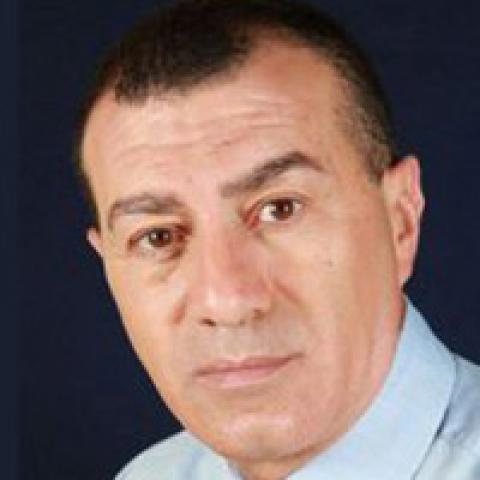

The funeral procession of Rabbi Raziel Shevach, who was killed Jan. 9 in a shooting attack in the West Bank, took place in the illegal outpost of Havat Gilad. The settlement had no cemetery until the rabbi's death, but in a hasty decision made together with the rabbi's family, the settlers decided to prepare a plot and bury him in the unauthorized settlement where he lived.
By doing this, the settlers of Havat Gilad established a new fact on the ground. Not only had they created the outpost, which grew from a small farm into a settlement that is now home to 40 families, their decision to act rashly and establish a cemetery in the settlement makes any future evacuation of the settlement virtually impossible.
"We have decided to bury my beloved husband here, because we feel that this is our task," Shevach's widow told journalists, who visited her in her home during the shiva, or mourning, period. "We want to leave the strong tent peg that he planted here. We want to leave it here so that it will forever be impossible to uproot it. … We made a big sacrifice. We want to come away from this feeling as if the government feels it owes us a home. We deserve to have the settlement authorized rather than fighting over every clod of earth."
Havat Gilad was established in 2002, during the second intifada. Its founder, Itay Zar, intended it to be a response to the murder of his brother Gilad in a shooting attack by Fatah members. He claims that his father Moshe Zar purchased the land in the late 1970s. A few months after the farm was established, Israeli security forces attempted to evacuate it. Residents from neighboring settlements showed up to prevent the evacuation order from being carried out. Ninety people were injured during these events, and the settlement was eventually evacuated. But the settlers did not give up. Soon after the original evacuation, they returned to rebuild the outpost.


