



Israel's 'new ultra-Orthodox'
Parallel to the increase in the number of ultra-Orthodox integrated in the labor market, ultra-Orthodox voters increasingly turn toward mainstream parties.
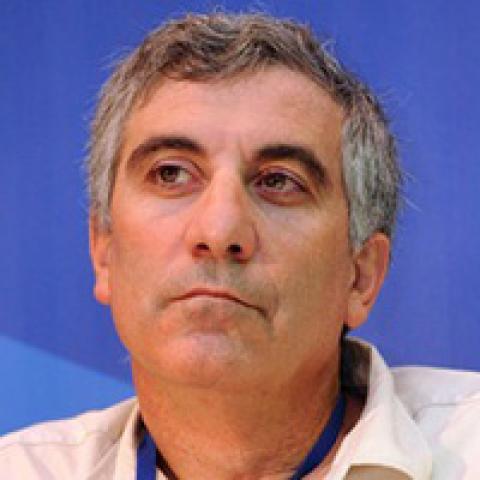

The first annual conference of the ultra-Orthodox faction of the Labor Party took place on Nov. 26. While people mostly associate the ultra-Orthodox with the Israeli right, it might come as a surprise that the Labor Party has an ultra-Orthodox faction. This unusual combination has been possible because of the growing integration of the ultra-Orthodox in Israeli society overall. Other parties have witnessed this same trend. Prime Minister Benjamin Netanyahu, who is the Likud's chairman, expects to win at least two seats in the coming election from voters who once would have cast their ballots for the ultra-Orthodox Yahadut HaTorah or Shas Party.
Journalist Yair Ettinger first coined the term "new ultra-Orthodox" some 20 years ago. At the time, he was referring to those ultra-Orthodox Jews who were fed up with a life of ascetic isolationism and therefore decided to integrate into the day-to-day economic life of modern Israel. The group has grown by leaps and bounds since then. More members of the ultra-Orthodox community began serving in the Israel Defense Forces (IDF), pursuing academic studies and integrating into the workforce. Now, the non-ultra-Orthodox parties are starting to recognize the untapped electoral potential of these new ultra-Orthodox.
One factor that really expedited the integration of the ultra-Orthodox into Israeli society was Netanyahu's decision a decade ago, when he served as finance minister, to shrink social security benefits. The reduction of stipends for children, the unemployed and senior citizens forced many ultra-Orthodox to enter the workforce. The trend received an added boost from the expansion of alternative tracks for the sector in the IDF (separate ultra-Orthodox male-only units) and technological developments, which freed the community from their dependence on the established — and supervised — media within their communities.
According to the Central Bureau of Statistics and other studies, the number of ultra-Orthodox men in the workforce grew from 27% in 2011 to a record 53% in 2016. The number of working women increased even more, from 56% in 2010 to 75% in 2016.


