



Opposition leader implores US not to abandon Syria to Russia and Iran
The new leader of the Syrian national coalition shared with Al-Monitor his plans for lobbying the Trump administration during his first visit to Washington.
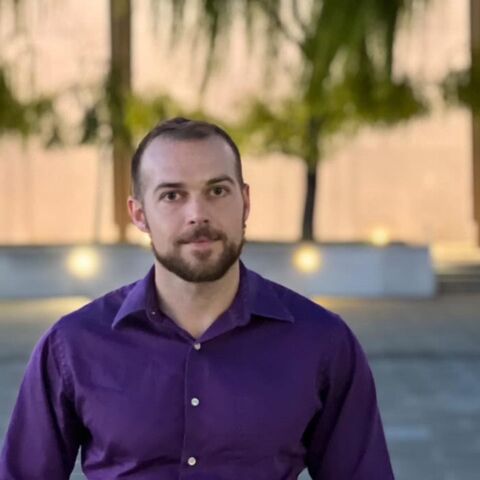

p.p1 {margin: 0.0px 0.0px 0.0px 0.0px; font: 15.0px Calibri; -webkit-text-stroke: #000000} p.p2 {margin: 0.0px 0.0px 0.0px 0.0px; font: 15.0px Calibri; -webkit-text-stroke: #000000; min-height: 18.0px} span.s1 {font-kerning: none} span.s2 {text-decoration: underline ; font-kerning: none; color: #0463c1; -webkit-text-stroke: 0px #0463c1} span.s3 {font-kerning: none; color: #323333; -webkit-text-stroke: 0px #323333} Russia and Iran are hijacking the Syria peace talks to outmaneuver the United States and cement their influence in the country for decades to come, opposition leader Riad Seif told Al-Monitor in an exclusive interview on the sidelines of his first official visit to Washington.
Seif was in town last week for a two-day conference aimed at organizing the Syrian-American community into a potent lobbying force in the Donald Trump era. As head of the Istanbul-based National Coalition of Syrian Revolutionary and Opposition Forces since May, Seif has made it a priority to court US support for the beleaguered opposition and warn that Moscow and Tehran are using parallel peace talks in Astana to supplant UN-backed negotiations in Geneva.
“Our concern is that Astana will supersede Geneva,” he told Al-Monitor during an interview at his hotel. “If Astana is the internal solution, this will be very catastrophic and devastating for the Syrian people.”
In particular, Seif raised concerns that so-called de-escalation zones negotiated in Astana amount to little more than a partitioning of Syria among rival powers, without any say from the Syrian people. The coalition announced today that it was boycotting the Astana talks, declaring that it “will not participate in any negotiations with the regime outside Geneva or without UN sponsorship.”


