



Ultra-Orthodox play long game with Sabbath soccer debate
Israel's Ultra-Orthodox may not really be bothered by soccer being played on the Sabbath, but the complaint offers useful leverage for other political demands.
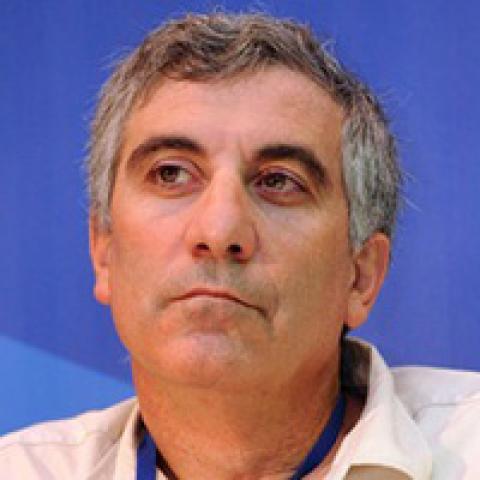

In the 1970s and '80s, Uri Malmilian was the shining star of the Beitar Jerusalem soccer team and led it to championship wins and five national cups. Malmilian was born and lived for many years in the Mamila neighborhood of Jerusalem, only a few hundred feet from the YMCA — Beitar's home field until 1991. On Saturday afternoons, after praying at his synagogue in the morning, Malmilian would walk from his home to the field accompanied by dozens of fans. For away games, he would sleep at a hotel on Friday night, and on Saturday, he would walk from the hotel to the opposing team’s field, as Orthodox Jewish observance precludes travelling by car on the Sabbath.
Malmilian is one of many prominent soccer figures demanding an end to Saturday soccer games, the subject of a petition to Israel's Supreme Court. He and about 250 others, among them Israel national team players, coaches and former players, signed a petition presented to the prime minister this month.
The legal battle began at labor court two years ago, when several soccer players asked not to be forced to play on the Sabbath. Judge Ariela Giltzer ruled then that the games were in fact held on the Sabbath without authorization. “Right now you don’t have authorization to work on the Sabbath. You are working against the law. Ask the minister of economy for authorization for that. … I won’t authorize it, I won’t allow an illegal act,” she wrote in her ruling.
The Soccer Association and the Ministry of Sports asked for a delay in the implementation of the court decision and established a committee on the matter. The soccer players did not give up and petitioned the Supreme Court. On Sept. 18, the justices determined that the state has been dragging its feet in addressing the issue, but gave it another extension.


