



Why Erdogan fired Turkey’s top cleric
The departure of Mehmet Gormez, who headed Turkey's Directorate of Religious Affairs (Diyanet), had many wondering if he was not loyal enough to the Turkish president.
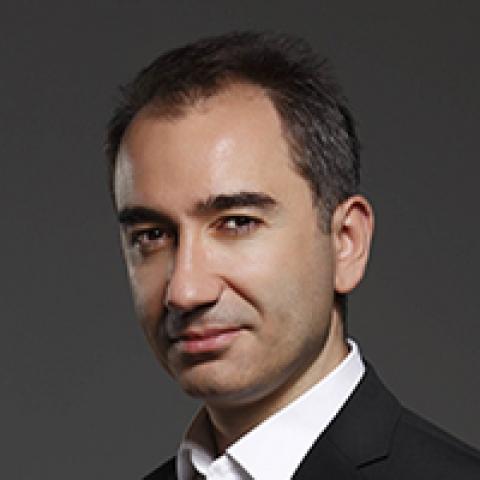

On June 31, Mehmet Gormez, a Turkish cleric who headed the Directorate of Religious Affairs (Diyanet), a government department that runs more than 85,000 mosques, bid farewell to his post he had occupied since 2010. Gormez’s term didn’t end until 2020, which is why his early departure triggered a heated discussion in the media and on social media. As with most other changes in the state bureaucracy, many people believed that the departure of the erudite theologian had something to do with President Recep Tayyip Erdogan’s plans to single-handedly build a “New Turkey."
A few facts about the Diyanet: It is a government body whose budget exceeds many key government ministries, such as the Foreign Ministry, and whose influence over society is significant. Created back in Mustafa Kemal Ataturk’s time (1923-1938) as a key institution of the Turkish Republic, the Diyanet has always controlled all mosques in Turkey, paying the salaries of the imams and also supervising the content of their sermons. Since the 1960s, its influence even spread to Europe, as it opened hundreds of mosques in countries like Germany with substantial Turkish immigrant communities.
The Diyanet itself is governed by top-down dictates of the state. The head of the institution is appointed by the president and can be changed at will. Various Diyanet heads have been dismissed throughout the past century when they failed to comply with the instructions of the government. This hierarchical structure is one of the reasons why Turkey’s self-styled “secularism” does not imply a wall separating between the state and religion. It rather implies the state’s total control over religion.
The Diyanet’s story with Mehmet Gormez, who was an academic theologian before becoming a cleric, began in 2003 when he was made deputy president by the organization’s then newly appointed head, Ali Bardakoglu, another academic-turned-cleric. Both Bardakoglu and Gormez came from the more reformist strain within Turkey’s pool of theologians, holding the conviction that “Muslimhood” needs a “renewal” in the modern age. One step toward that goal was the “Hadith Project,” which revised and contextualized the medieval collections of the sayings of Prophet Muhammad. The project began in 2008 under the leadership of Gormez and was completed five years later.


