



Egypt's middle class gets creative to cope with economic crunch
As Egypt's economy suffers and inflation soars, middle class citizens are turning to Airbnb, Uber and other nontraditional means of earning extra income.
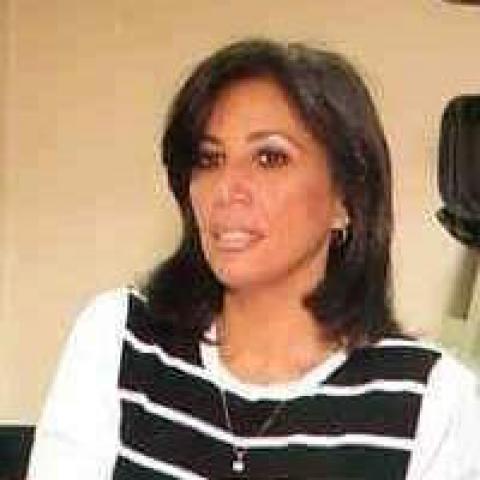

“A year ago, I never would have envisioned myself sharing my home with a complete stranger, but desperate situations demand desperate measures,” Sherine Moustafa, a 45-year-old hotel sales executive and divorcee, told Al-Monitor.
Struggling to cope with the soaring prices of goods and services prompted by the November 2016 flotation of the Egyptian pound and successive cuts in fuel subsidies, Sherine has had to look for new and innovative ways to boost her income. Since April, she has been renting out her spare bedroom through the holiday rental website Airbnb.
“Before the harsh austerity measures, I lived comfortably and could even put some money aside for an emergency. But I found it increasingly difficult to manage my budget; my paycheck hardly covered the essentials and I was often broke by the middle of the month. It was nerve-wracking,” she recalled.
The measures, part of an economic reform program that secured Egypt a $12 billion International Monetary Fund (IMF) bailout loan over three years, pushed inflation to its highest level in three decades (31.5% in April), making daily life tough for ordinary Egyptians. The price of cooking gas has doubled while fuel prices increased by 50% in June. Government officials have described the IMF loan as a "lifeline for the economy,” which was battered by the unrest that followed the 2011 uprising against Hosni Mubarak, and have repeatedly urged Egyptians to be patient in the face of painful but “necessary” reforms that are supposed to be beneficial in the long term.


