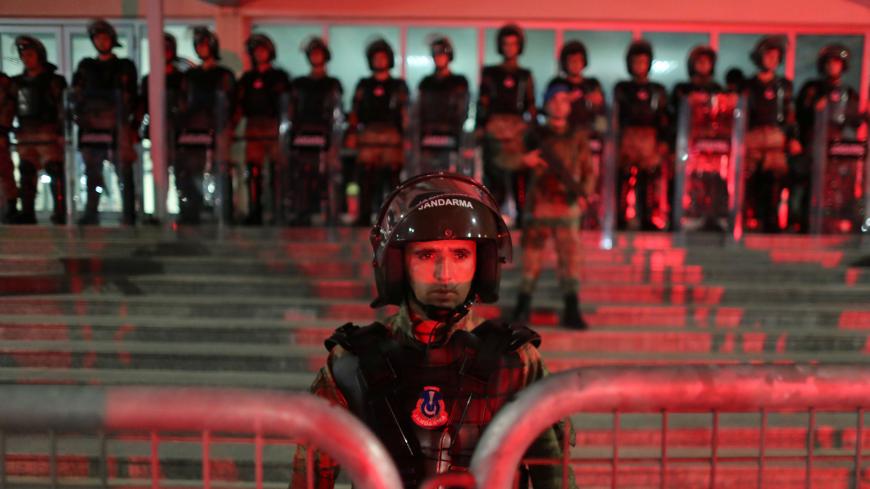
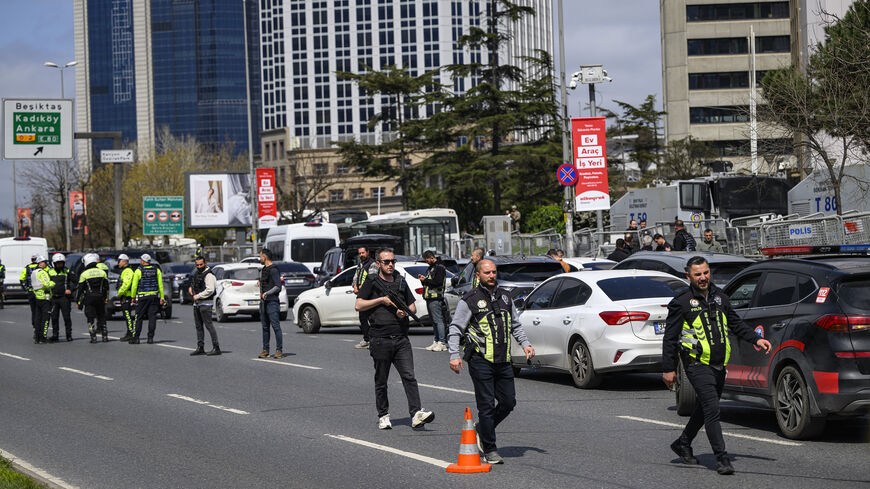
Turkey is debating whether to extend its state of emergency by another three months. The parliament imposed the state of emergency known as “OHAL,” its Turkish acronym, in the aftermath of last year’s coup attempt. OHAL has been extended three times since July 2016 and the current term is supposed to expire by July 19.
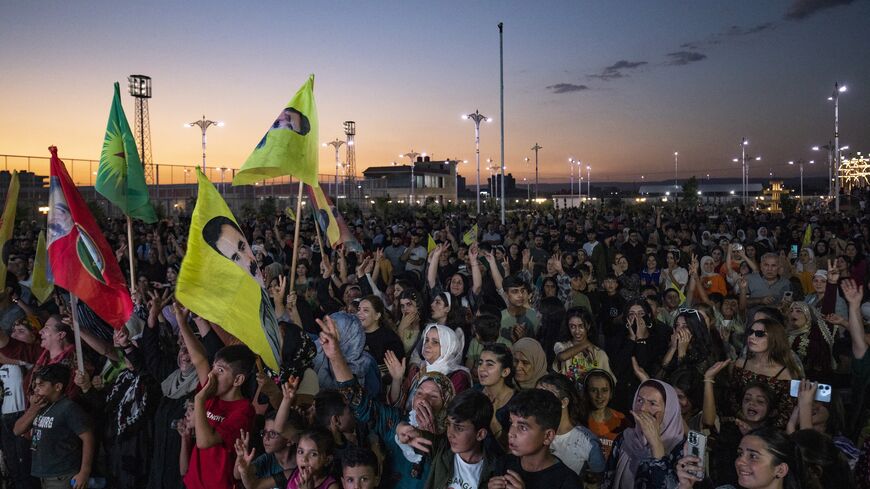
As Al-Monitor’s Mahmut Bozarslan pointed out in July 2016, the current state of emergency is not Turkey’s first. From 1987 through 2002, during the fighting between the militant Kurdistan Workers Party (PKK) and government forces, the primarily Kurdish parts of southeast Turkey came under a state of emergency. During that period, arrests, property seizures and deportations without a court order became commonplace. For Turkish citizens in the southeast, it meant not only years of lost economic and social opportunity but also fleeing one’s home. For Turkey in general, OHAL and the fighting between the government and the PKK have cost tens of thousands of lives and billions of dollars.
The current state of emergency has been less destructive, but only relatively. Since 2016, more than 100,000 government employees — civil servants, military personnel, police officers and teachers — have been sacked for their alleged association with the Pennsylvania-based preacher Fethullah Gulen. Many Turks refer to Gulen and his followers as the Fethullah Gulen Terror Organization (FETO) and accuse them of leading last year’s coup attempt. Nearly 50,000 people remain in jail pending trial. Several thousand politicians with the predominantly Kurdish Peoples’ Democratic Party are among them.
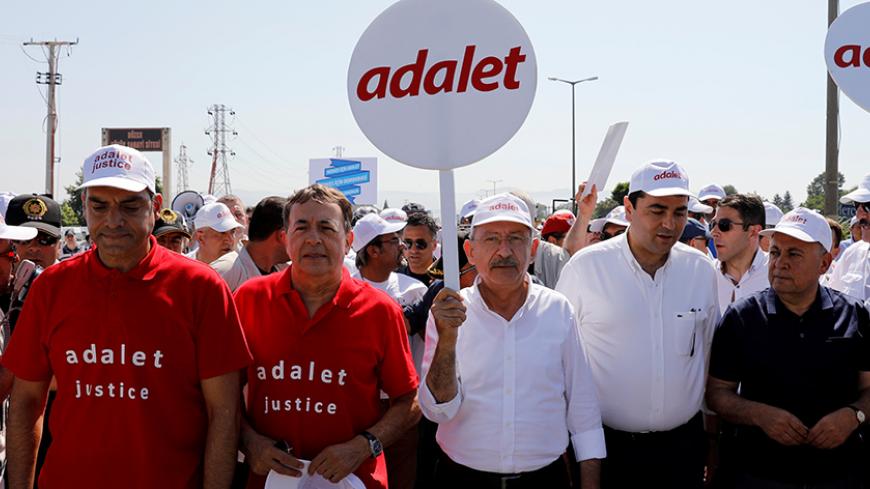
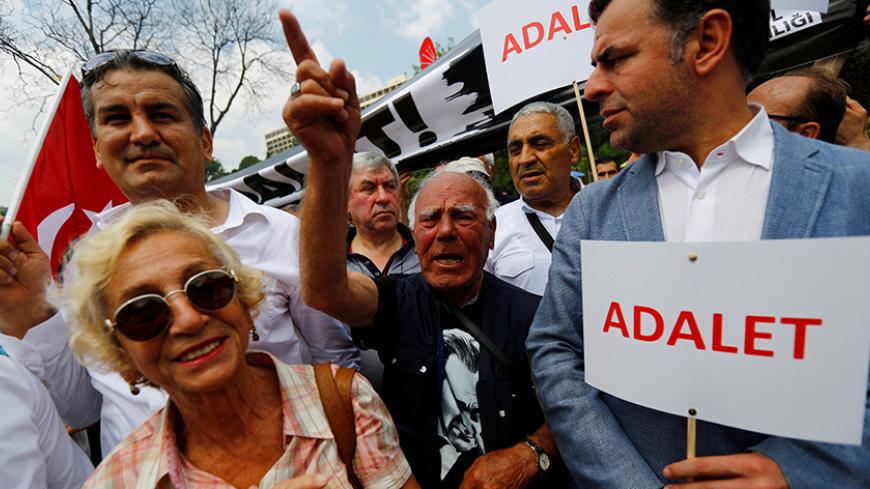
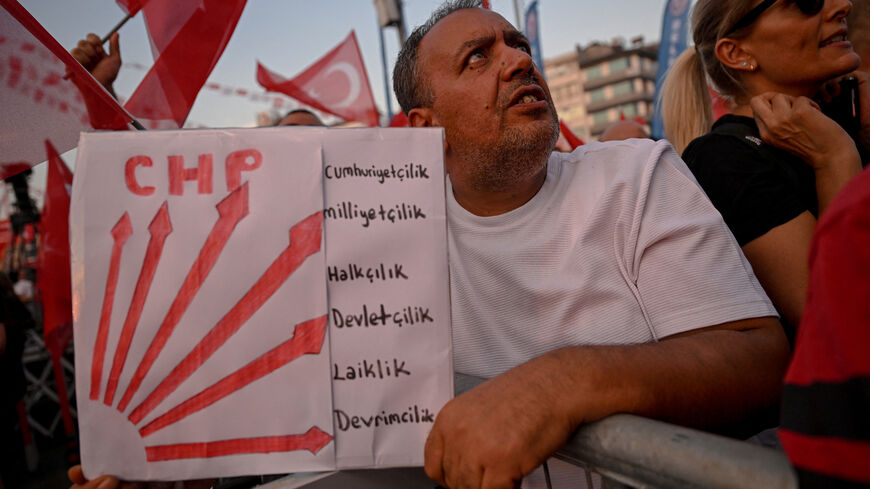
Turkey’s largest English-language daily newspaper Hurriyet Daily News argued June 27 that the government and the opposition are split on extending OHAL on July 19. Turkish views on the matter, however, are variegated and complex.
AL-MONITOR All-Access gives you unlimited access to all our journalism, the full Daily Briefing, exclusive interviews, premium newsletters, and live events — for less than $2/week.