



Russian Subbotniks dream of coming to Israel
After joining the Jewish people two centuries ago, the Subbotnik community feels that Israel should recognize them as Jews and enable them to immigrate.
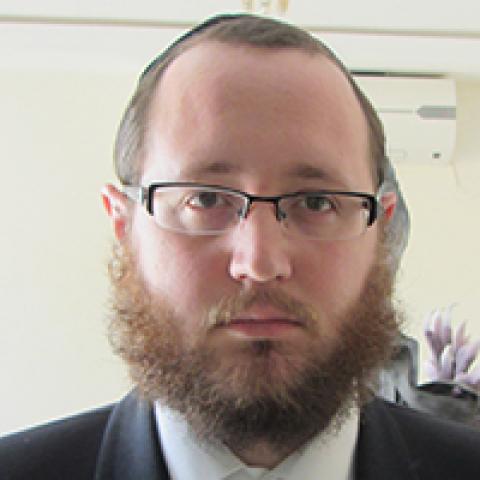

Members of the Subbotnik community, residents in the small southern Russian town of Vysokaye, have for the past few weeks been gripped by emotional turmoil. After more than a decade of “sitting on their bags,” they thought they might finally get the Knesset to reopen Israel’s gates to the Subbotniks.
However, the awaited sitting of Knesset on May 17, which would debate the fate of the town’s residents and members of their community scattered throughout Russia, Ukraine and Armenia, was put off. Subbotniks, whose forefathers converted to Judaism over 200 years ago and have been Jews for all intents and purposes ever since, now anxiously await permission to immigrate to Israel.
A Knesset source told Al-Monitor that the Committee on Immigration and Absorption would hold a debate on the issue soon to promote their immigration to Israel. The debate was still unscheduled as of June 5.
The story of the Subbotniks dates to the end of the 18th century in southern Russia, when a group of farmers left their church and began observing the Jewish Sabbath. The name apparently derives from the Russian word “Subbota,” meaning Sabbath, given that they had previously observed the Sabbath. Several groups grew out of the first community, some of which fully adopted Judaism, and according to the traditions they hold, their ancestors converted to Judaism, by the book. In the early 19th century, Czar Alexander I expelled them from their homes and deported them to various parts of his empire as punishment for their adoption of Judaism — part of the reason that they can be found today in Ukraine, Siberia, southern Russia and the Caucasus. During World War II, many Subbotniks in Russia and the Ukraine were murdered by the Nazis.


