



What, if anything, will come of meeting between Libyan rivals?
The head of Libya's UN-backed government in Tripoli, Fayez al-Sarraj, spoke recently with military strongman Khalifa Hifter in their first-ever meeting, aimed at ending violence and chaos in Libya.
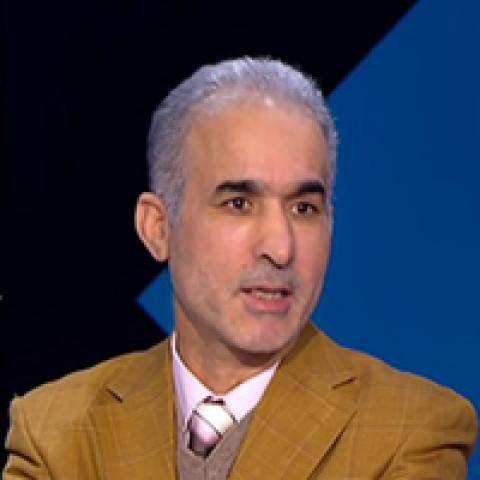

The recent meeting between Gen. Khalifa Hifter and Fayez al-Sarraj in Abu Dhabi in the United Arab Emirates marked the first face-to-face encounter ever between the two Libyan rivals.
Libya has been without a central government since the bloody civil war that saw longtime leader Moammar Gadhafi toppled and killed in 2011 at the hands of rebel forces, which then mushroomed into hundreds of militias' dominating the country and preventing any government from adequately functioning ever since.
While it's unclear how much impact the May 2 meeting will eventually have, the fact that it took place at all is in itself a milestone in the Libyan crisis. Until then, neither man had officially recognized the other’s legitimacy and had failed to directly communicate. However, the question remains: How much can each side deliver to bring back peace and security and ease the burden on Libyan citizens, whose lives have been a continuous struggle?
In what seems to reflect the gap between the two sides, no official joint statement was issued after the Abu Dhabi meeting, though sources close to both sides talked about the positive atmosphere that prevailed. Also, after returning to Tripoli, Sarraj issued a statement May 3 in which he mentioned that he agreed with Hifter about calling for a new political dialogue, new elections, reuniting government institutions and reorganizing the military under civilian oversight. Hifter is worried about his future should he recognize Sarraj’s government, which was set up in December 2015 through a United Nations-brokered political agreement.


