



Israeli-Arab 'diva of Middle Eastern music' empowers coexistence
The prestigious Israel Festival opens with Nasreen Qadri's songs in Arabic and Hebrew in support of coexistence.
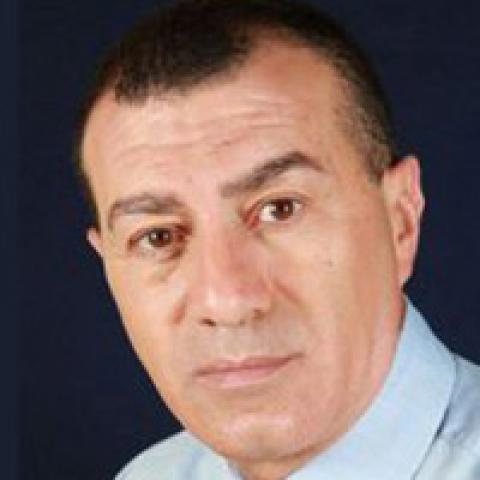

The choice of Nasreen Qadri to sing at the opening ceremony of the Israel Festival is not to be taken lightly. Qadri, 30, is an Arab Israeli born to Muslim parents in the coastal city of Haifa and currently lives in the suburban Tel Aviv town of Rishon Lezion. On June 1, she will stand on the large stage erected at the foot of the walls surrounding Jerusalem’s Old City and sing at the opening of the most prestigious Israeli festival, which this year will also mark a half century of the city’s unification, since the 1967 Six-Day War.
The festival directors decided that the best way to mark the unification of the Jewish and Arab parts of the city and to showcase its multiculturalism would be through groove music, which has developed in Israel in recent years fusing innovative Western sounds, quarter tones, traditional Arab-style improvisations and Mediterranean rhythms.
In an interview with Al-Monitor, Qadri said her appearance at the opening ceremony is designed to convey a message of unity and aspirations for coexistence, “which are so essential to this region at this time." She said, "Of course I have my own agenda. I represent an entirely different world of music and accentuation intended to get across one clear message — that coexistence is the most important thing this place needs.”
Qadri added, “We were destined to be together, and none of us has anywhere else to go. That’s why I’m working vigorously to get this clear message through. I have always wanted to get to the biggest stages and now I am fulfilling this dream.”


