



Storytellers create intimate space in bustling Beirut
The old Arab tradition of storytelling is finding its way back into Lebanese hearts, and regular events are becoming increasingly popular in Beirut.
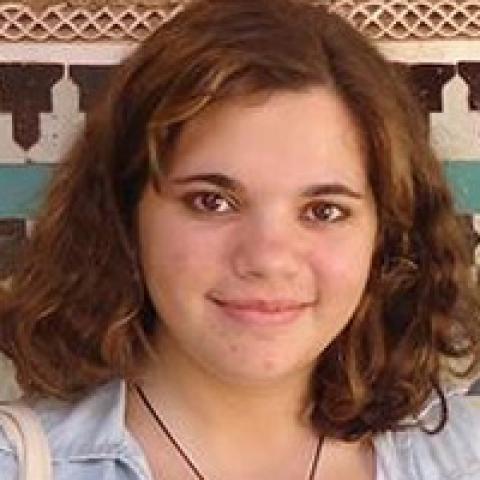

Once a month, Ghada Seifeddine, a linguistics graduate student at the American University of Beirut, forgets about her shyness and takes the stage at Dar Bistro cafe in Beirut to tell personal life experiences. The best-received story she has shared was the one about becoming a woman — the day she first wore a traditional hijab — and her recent decision to wear something she feels more comfortable with, a turban. “I was surrounded by women who took off their hijab after wearing it for a long time. So I started thinking about how it relates to my identity,” she says.
Seifeddine’s performances are part of a spoken-word event in which short stories, in both English and Arabic and usually centering on a theme, are told live by the people who experienced them, reviving the old Arab tradition of storytelling.
According to Lebanon Traveler Magazine, storytelling has been slowly becoming a common evening activity in Beirut. The trend started when Dima Matta, a Beirut-based English-language university lecturer and storyteller, reintroduced the art form in 2014 through a storytelling group called “Cliffhangers." “We are a region known for its oral histories, the ‘hakawati’ tradition. Somehow, this heritage faded, and I really wanted to contribute to bringing it back,” Matta tells Al-Monitor.
Since then, similar initiatives spread around the capital, involving poetry recitals, creative writing and improvised theater. The one in which Seifeddine partcipates is a narrative oral storytelling initiative called “Hakaya” (Arabic for “Story”). The community was created in the spring of 2016 by four Beirut residents with a passion for spoken word. “We all felt that there were so many stories of everyday life from this region that are worth sharing in nontraditional ways,” explains co-founder Dana Ballout.


