



Library projects in Egypt bring stories to life
Bookmobiles, book-exchange projects and even living "books" are serving Egyptians without access to libraries.
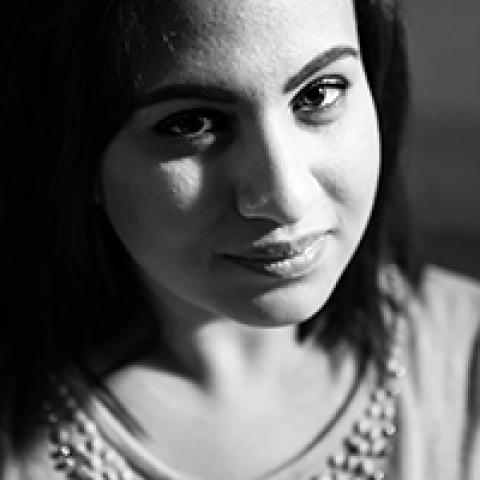

Nothing in the buzzing room was typical of a library. There were no shelves labeled with romance, history or politics; no books in sight; no “quiet please” sign. A young girl whose face and body are noticeably underdeveloped sat in one corner describing how she is treated either as a monster or as a pitiful person people touch for blessings.
Israa Ahmed, diagnosed with several congenital anomalies, is one of the “books” at Human Library Egypt. For a day, “readers” could have a dialogue with living stories. Originally part of an anti-violence program in Denmark in 2000, the Human Library idea spread to 70 other countries and was brought to Egypt by computer engineer Asmaa Ismail. She hopes it will help diminish stigma and judgment from Egyptian society.
“We need it badly. Our society is full of stereotypes everywhere,” Ismail told Al-Monitor. She said she wants not only to inspire change in the audiences, but also to “set stereotyped people free and make them feel empowered.”
The human "books" speak of different kinds of challenges, so "readers" are sure to connect with at least one of them, stressed Amira Rizk, one of the program’s organizers. Despite bearing the scars of prejudice, participants are unafraid to narrate their compelling stories.


