



Why Gazan authors are moving to Egypt
Egypt remains the No. 1 destination for Arab authors in general, and Gazan authors in particular, due to its cultural and scientific stature.
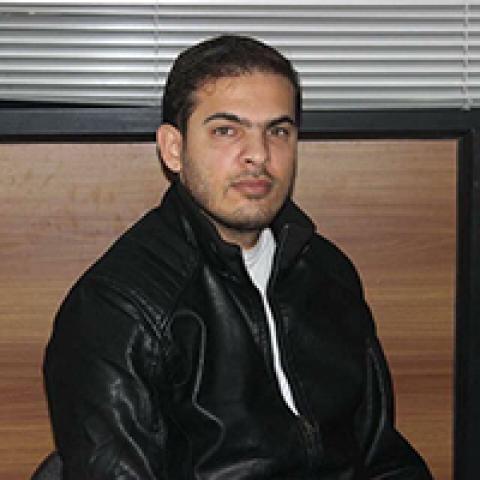

CAIRO — Mahmoud Ramadan is a young novelist who left the Shati refugee camp west of Gaza City in 2008. Looking for a place to publish his writings, he wound up in Egypt. He settled there and has so far published three novels about the situation of Palestinians in the Gaza Strip.
Al-Monitor met with Ramadan in his bookstore, which he opened in early 2016, in the Egyptian 6th of October City. He said he found it best to leave Gaza in 2008 after being imprisoned twice by Hamas because of his views and writings that go against the Hamas movement and its rule.
Ramadan said, “I was studying journalism at the University of Palestine in Gaza and I could not complete my studies to get a degree before leaving. I also worked in online marketing and design. I started writing on my own about my experience and how people lived in the Gaza Strip. I used an alias — Yami Ahmed — and I never mentioned my real name because I wrote about politics and how the ruling party [Hamas] oppressed Gazans.”
Speaking about the books he has published, Ramadan said, “I printed my first novel at my own expense in 2013. It was titled ‘The Remnants of Mary.’ It spoke about the beginning of conflicts and divisions that had emerged in the Palestinian community as a result of the parties’ [Fatah and Hamas] behavior, and how all of this reflected on the Palestinians’ personality who became labeled by their political affiliations.”


