



Journalists' Syndicate head: Egyptian press facing crisis with the state
In an interview with Al-Monitor, head of the Journalists' Syndicate Yahya Qalash speaks of the syndicate’s problem with the state, the new media law and the media regulators law.
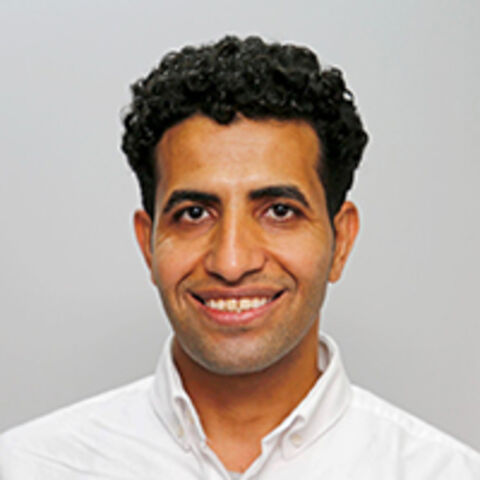

CAIRO — The Qasr al-Nile minor offenses court in Cairo issued on Nov. 19, 2016, a nonconclusive ruling sentencing the head of Egypt's Journalists' Syndicate, Yahya Qalash, and board members Gamal Abdel-Rahim and Khaled el-Balshy, to two years of hard labor in prison on charges of “harboring fugitives from justice” in the syndicate’s building. They must further pay 10,000 Egyptian pounds (roughly $530) to stay the execution.
The ruling, which observers characterized as unprecedented, caused a stir inside and outside the syndicate. The Egyptian government was harshly criticized by organizations advocating human rights, freedom of speech and freedom of the press. On Nov. 19, the Committee to Protect Journalists issued a statement calling on the Egyptian authorities to drop charges against Qalash, Abdel-Rahim and Balshy.
In an interview with Al-Monitor at the Journalists' Syndicate building in Cairo Dec. 7, Qalash spoke of the syndicate’s problem with the state, which was ignited May 1 when security forces stormed into the syndicate’s building for the first time since the syndicate’s inception decades ago. Journalists Amr Badr and Mahmoud al-Saqa, who were staging a sit-in there, were arrested after security forces had broken into their homes for expressing their opposition to the Egyptian-Saudi maritime border demarcation agreement signed on April 8, 2016, under which Egypt ceded the Red Sea islands of Tiran and Sanafir to Saudi Arabia.
Qalash also talked about media law No. 92 of 2016 ratified Dec. 27 by President Abdel Fattah al-Sisi, and the situation of journalists, in light of Egypt’s political, security and economic turmoil.


