



What the 'Russian lobby' in Ankara wants
A group of so-called Eurasianists are again whispering to Ankara that Turkey's future lies with Russia and China and have outlined a plan for severing ties with Europe.
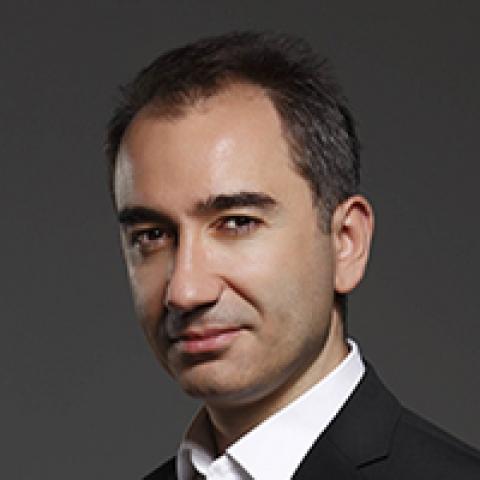

On Dec. 8, veteran Turkish journalist Murat Yetkin published a piece in the Hurriyet Daily News titled “A Scary Scenario in the Ankara Political Backstage.” The article, which elicited a multitude of comments and gossip, exposed a “group of people with close access to Erdogan” with an “elaborate plan” to reshape Turkey’s future. The plan involves a total detachment from European institutions to build a poorer, but more manageable Turkey. The steps would be, in Yetkin’s words, to “bring back the death penalty, to get rid of the restraints of European Union legislation when the EU cuts all relations, to let the stock exchange collapse (i.e., get rid of the pressure from big companies and foreign capital, which are not ‘from us’ anyway), to meet the military needs of NATO in a bargain with ‘our own needs’ to get rid of the excessive political pressure from the West.”
In a second piece, Yetkin identifies the group promoting this radical plan as the Eurasianists: people who believe Turkey must seek its future not in the West, but in Eurasia, in particular alongside Russia and China. They view the reinstitution of the death penalty, an idea with which President Recep Tayyip Erdogan has lately been playing, as the pivotal move for cutting all ties with the European Union and setting sail for the Shanghai Pact.
Eurasianism is not, of course, a new concept in Turkish politics. It was popularized in the early 2000s when a group of secular nationalists with ties to hawkish elements in the military launched its opposition to the EU accession process, envisioning a rapprochement with Russia and China instead. A key figure in the movement was Dogu Perincek, known in Turkey as a beacon of Maoism who was arrested in 2008 for being a member of the Ergenekon, a quasi-imaginary cabal that allegedly planned a military coup against Erdogan’s Justice and Development Party (AKP). Today, however, with the tables in Turkey having been completely overturned, the anti-Western forces that were once sworn Erdogan enemies are now among his best friends.
That is why Perincek, who spent six years in jail during the notorious Ergenekon trial, and his small Homeland Party, now constitute a key element in the current Eurasianist movement, or the “Russian lobby,” as some call it. Al-Monitor sources in Ankara confirmed that Perincek and his team were influential in restoring Turkish-Russian ties after the crisis triggered by Turkey's downing of a Russian warplane last year, even establishing an indirect dialogue with Syrian President Bashar al-Assad's regime.


