



Hifter in Moscow: Russia’s shifting interests in Libya
Russia’s interest in Libya evolves as Gen. Khalifa Hifter transforms from a strongman for the army into a politician.
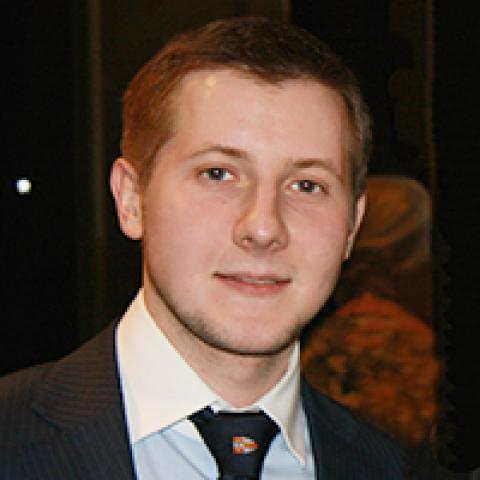

The image of Libyan Gen. Khalifa Hifter sporting a Russian ushanka hat as he left the building of the Russian Foreign Ministry on his recent visit to Moscow invokes memories of Cold War era revolutionaries from the Middle East flocking to Moscow in search of political support and military aid. It was Hifter’s second trip to Russia this year, the kind of intensity of visits not every leader in the Middle East would dare to demonstrate today.
Russia’s relationship with Hifter has become more than just diplomatic courtesy. This dynamic is a two-way street in which both sides see beneficial opportunities. Whenever a certain visit goes against strict rules of diplomatic protocol, it indicates an important trend. In the case of Hifter, who is not a head of state, the trend is the significance that Russia attaches to his authority in Libya.
The Kremlin’s official position regarding Hifter’s regular contacts with the Russian authorities is that it is part of a wider process to engage with various political factions in Libya. In fact, when a reporter asked about the general’s visit to Moscow, Maria Zakharova, a spokeswoman for the Russian Foreign Ministry, criticized him for completely ignoring reports of Russian official contacts with the Unity Government in Tripoli. But the Moscow-Hifter dynamic seems to be significantly more exposed to public attention.
Hifter’s recent visit to Moscow was noticeably different than his visit just a few months ago. The general replaced his army uniform, his signature image, for a suit, which many have interpreted as an attempt to position himself as a politician rather than a strongman from the army. This may be exactly what Russia expected from Hifter since his last visit to Moscow in June. Following a flurry of high-level meetings at the Foreign Ministry, the Defense Ministry and the UN Security Council, Hifter made statements that marked a change in his vision of Russia’s role in the Libyan war. “In the future, when an arms embargo will be lifted and the deliveries of advanced weapons begin, we will need Russian weapons experts for military training,” he told Russian journalists. The statement is a departure from the general’s position in June when he requested the delivery of Russian arms despite the existing embargo. The leader of the Libyan National Army also promised billions worth of deals for Russian companies in restoring the country’s infrastructure and developing its oil deposits.


