



Why a cop controls human rights in Egypt’s parliament
Some parliament members are asking how the Human Rights Committee can carry out its mandate under the leadership of former law enforcement officials.

Human rights is a touchy subject in Egypt, but even more so since recent parliamentary elections produced what some fear is a fox in the henhouse.
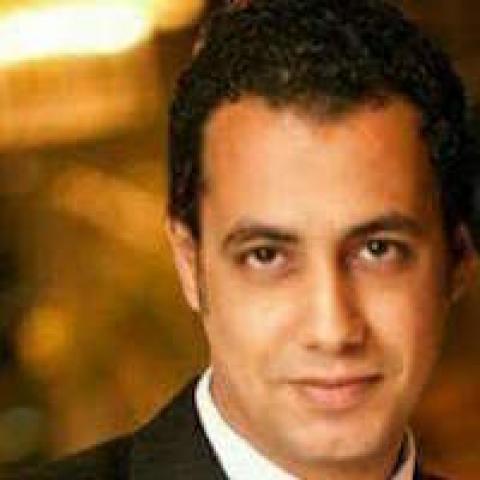
Alaa Abed, chairman of the Free Egyptian Party's parliamentary bloc, recently became chairman of the Human Rights Committee in the House of Representatives. This has stirred widespread controversy, given his previous work as a police officer and accusations — which he denies — that he was complicit in torture during his tenure at the Ministry of Interior.
The way he was “elected” — by default — also created quite a conflict. All the other candidates for the position withdrew in protest after, they said, Abed recruited 34 handpicked parliament members to join the Human Rights Committee specifically to vote for him.
Also, parliament member Akmal Qortam, head of the Conservative Party, resigned from parliament because he opposed the way the Oct. 17 committee chair elections were conducted.


