



Veiled taekwondo champion breaks Turkish stereotypes
Kubra Dagli, the headscarved world champion in taekwondo, is challenging old secularist biases, new Islamist ideals and overarching national machismo in Turkey.
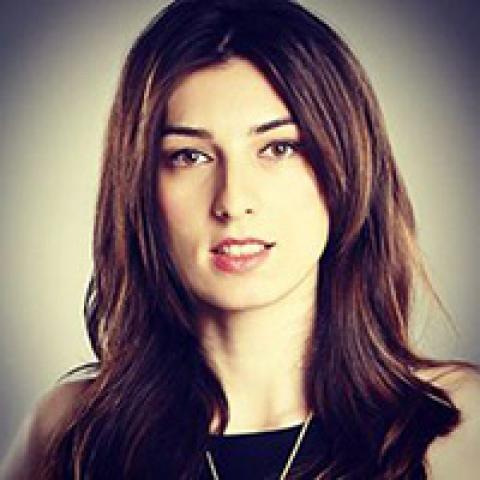

Turkish athletes achieved great success and won five gold, four silver and seven bronze medals at the 10th World Taekwondo Championships held in Lima, Peru, Sept. 29-Oct. 4. The Turkish media celebrated these accomplishments, but one of the champions, Kubra Dagli, made headlines more than all the others together. Dagli and Emirhan Muran each won a gold medal in the Poomsae team category, but Dagli’s headscarf instantly made her both a target of staunch criticism and a source of inspiration in Turkey.
Dagli received extensive media coverage for days, and the numerous interviews highlighted her joy for triumph. But at the same time, Dagli firmly responded to “disturbing” criticisms on social media, stating, “They don’t speak of my success, but of my headscarf. I don’t want this. Our success should be discussed. We made so much effort. We made our country and our team world champions. This is our joint pride.”
Turkey’s obsession with the headscarf is deeply rooted. As a part of the creation of a “modern” Turkish nation-state, headscarved women were the ones marginalized for not fitting the ideals prescribed by the secular nationalist project. As anthropologist Sertac Sehlikoglu explained, Turkish women were to be represented “as healthy, disciplined, civilized and liberated individuals.” Accordingly, women wearing the headscarf were associated with backwardness, so a secular person would have a hard time understanding headscarved women’s engagement in sports and fitness.
But this time, instead of secularists’ prejudice, the vitriol against Dagli came mainly from very conservative men — young and old — who attacked her on social media.


