



Assessing the aftermath of postponed Palestinian elections
Resolving the problems that caused the suspension of the Palestinian local elections is crucial to solving internal Palestinian problems through ballot boxes.
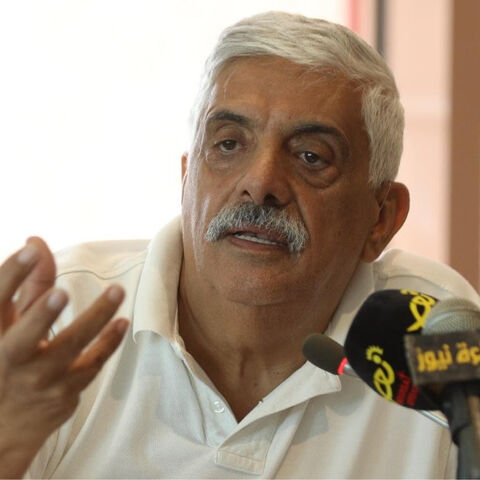

The discussions in Palestinian homes in the city of Beit Jala this week focused on the foresight of the town’s mayor, Nicola Khamis. During a very close municipal election in 2012, Khamis had accepted a rotation agreement in which he would serve as mayor in the last two years of the scheduled four-year term. The argument espoused by Khamis’ supporters was that he knew that the erratic Palestinian situation might mean that the term of an elected official might stay longer than the scheduled four-year-term — and therefore, whoever chose the last two years is likely to stay in power a lot longer than that.
The idea of a prolonged term as mayor comes from recent history. In April 1976, the first time serious municipal elections took place, a host of pro-PLO Palestinian nationalists had a decisive win, filling most mayoral and council seats. In 1986, Israel, the occupying power, ultimately deposed or deported about half the mayors for anti-government agitation, and Israel was unwilling to have municipal elections take place again. Government appointees routinely replaced vacancies.
In Bethlehem, the city’s longest serving mayor in recent history, the late Elias Freij, stayed in power for 25 years. The first elections organized by the Palestinian government and under the auspices of the Central Elections Commission took place in 2005.
The term of the elected Palestinian municipalities was restricted to four years. As agreed to by Khamis and Nael Salmon in the 2012 elections, Salmon was mayor for the first two years. The rotation was then duly executed on Christmas Day 2014 when Khamis became mayor. The rotation agreement was approved and supervised by Minister of Municipal Affairs Hussein al-Araj.


