



How independent are Palestinian courts?
The decision of the Palestinian High Court of Justice to postpone the local elections raised a debate among Palestinians, with some accusing the judiciary branch of being manipulated by the executive one.

When the Palestinian High Court of Justice decided Sept. 7 to suspend the Oct. 8 municipal elections, it caught many people off guard. The Palestinian legislature has been paralyzed since 2007 because of the split between the Gaza Strip and the West Bank, and few expected any independent action of the Palestinian judiciary. Many asked the simple question: Was this a truly independent decision of the court or was it acting on behalf of the executive branch?
Ali Ghazlan, the presiding judge of the high court, argued that elections can't take place in one place and not the other. “The election can't take place in Jerusalem and its neighborhoods. Also, there are problems with the formation of courts in Gaza. … Therefore the court decides to stop the election,” the high court judge ruled.
Both Fatah and Hamas blamed each other for the court's decision.
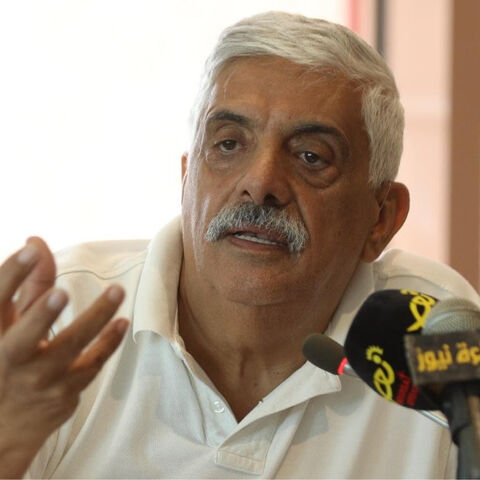
Majed Arouri, the executive director of the Civil Commission for Judicial Independence, insists that the court acted independently, but confirmed in an interview with Al-Monitor that the courts’ independence is in jeopardy and that it is fighting off serious pressures. “The Palestinian judiciary is under threat by politicians who are trying to control it in order to have their actions legitimized,” Arouri said, adding that this threat is increased with the continued absence of general elections in Palestine.


