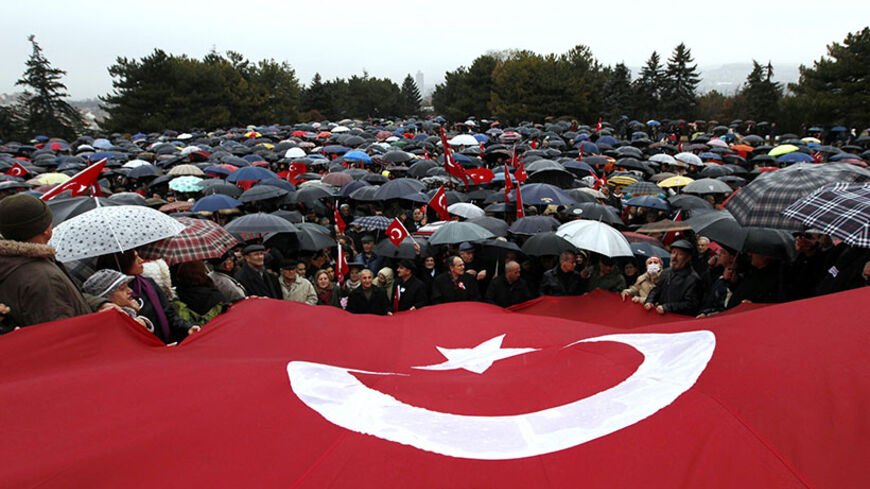
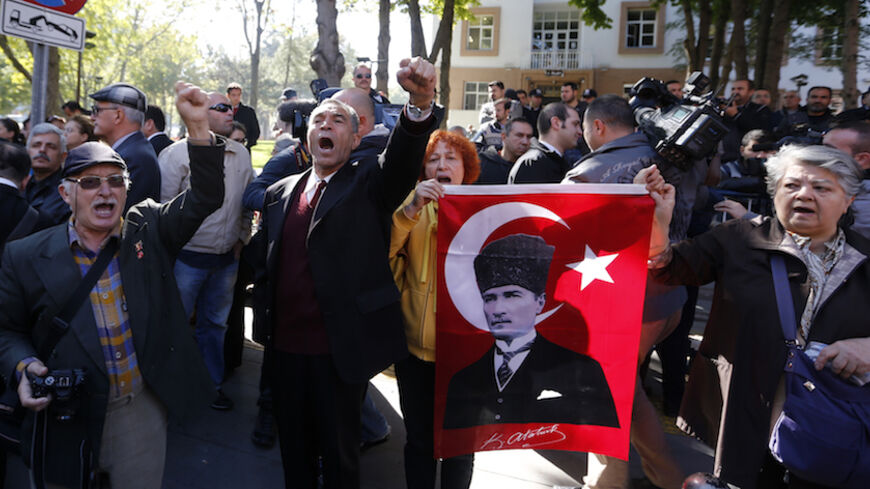
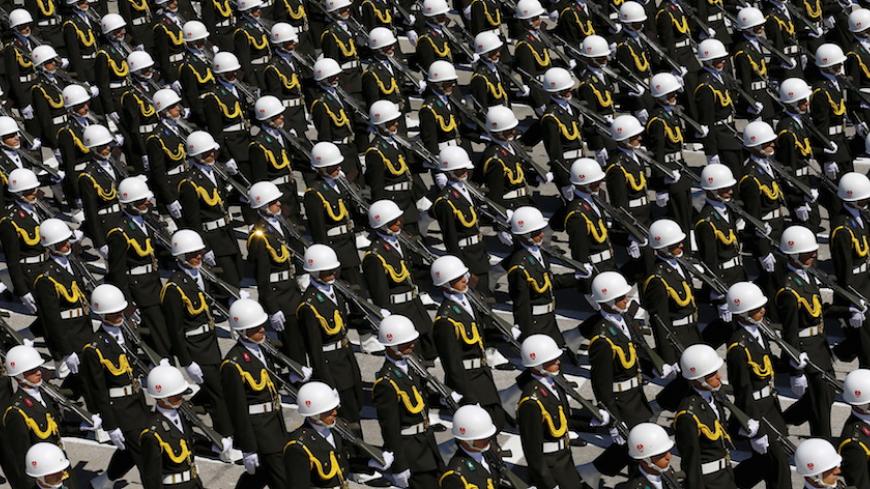
On April 27, 2007, the Turkish General Staff posted a statement on its website cataloguing the supposed anti-secular activities occurring under the ruling Justice and Development Party's (AKP) watch. The underlying message of the "e-memorandum" was unmistakable: If Abdullah Gul, then foreign minister, whose wife wore the Islamic headscarf, persisted in his campaign to become Turkey's president, the army would intervene.
But Gul was elected, and the AKP grew stronger; the army was weakened, but not beaten. It was in this febrile atmosphere that a new newspaper, Taraf, was born.
With "to think is to take a stand" as its motto, Taraf's mission was to open Turkey's biggest taboos to debate. From the Armenian genocide to the brutal repression of the Kurds, no subject was off-limits. But Taraf's overriding goal was to help ensure through its coverage that the army would never be able to seize power again.
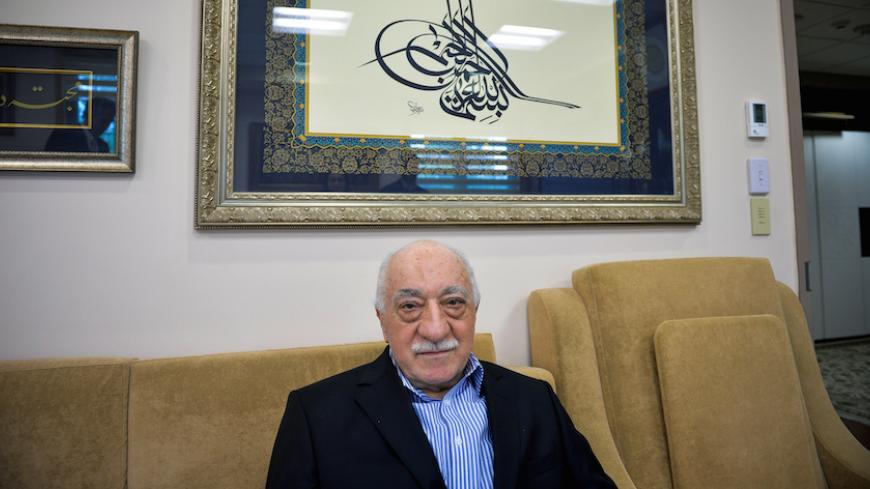
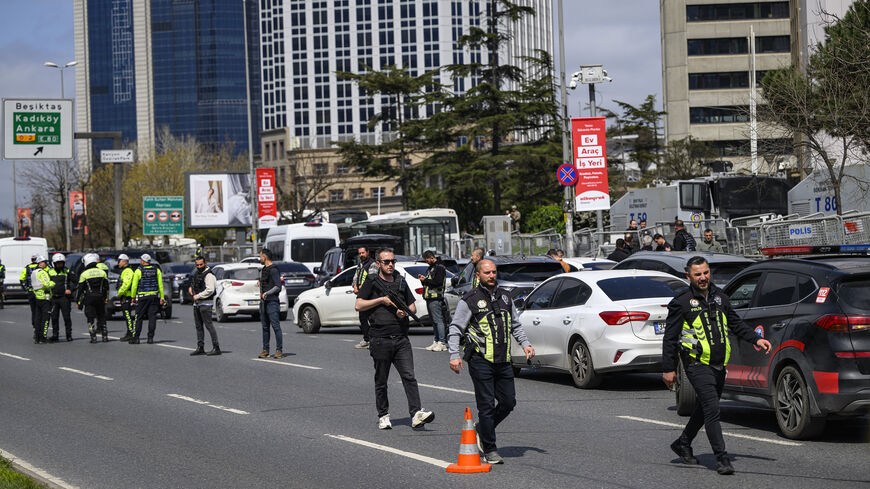
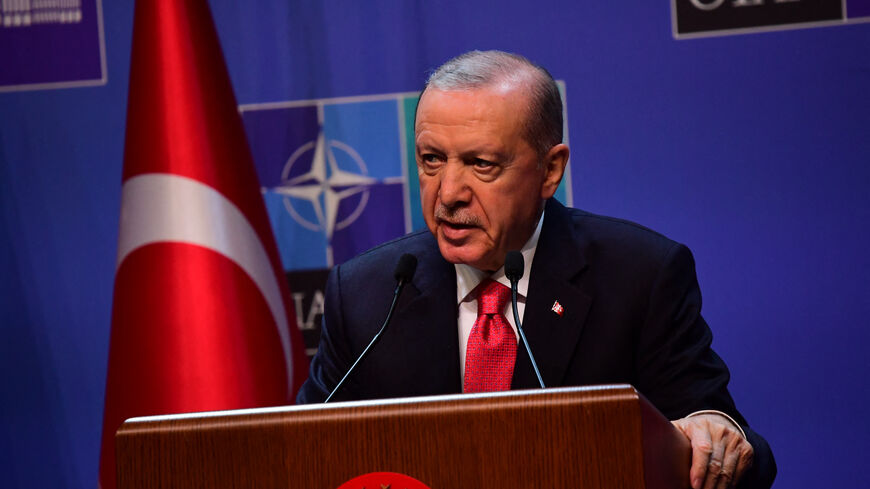
Nearly a decade later, on July 15, a large group of renegade officers backed by tanks and F-16 fighter jets sought to bloodily overthrow the AKP, murdering hundreds of civilians, bombing the parliament and seeking to assassinate the country's president, Recep Tayyip Erdogan. In the ensuing government clampdown, Taraf was banned together with 44 other newspapers, 29 publishing houses, 23 radio stations, 16 TV channels, 15 magazines and three wire services, all for their alleged links to Fethullah Gulen, the Sunni Muslim cleric who is accused of masterminding the attempted takeover.
AL-MONITOR All-Access gives you unlimited access to all our journalism, the full Daily Briefing, exclusive interviews, premium newsletters, and live events — for less than $2/week.