



Why one Israeli Knesset member is calling out colleagues on racism
In an Al-Monitor interview, former Welfare Minister Meir Cohen, of Mizrahi origin, challenged the acceptance of racist practices among his Knesset colleagues.
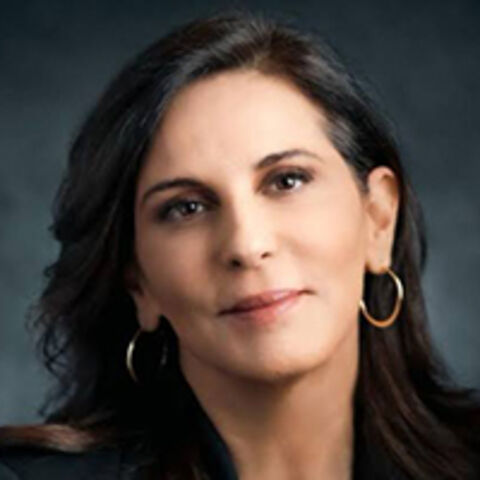

As the Knesset debated whether to repeal the law requiring all schools funded by the state to teach the core subjects of math, English and science on July 26, Meir Cohen of Yesh Atid approached the speaker’s podium to accuse the ultra-Orthodox Knesset members of racism. “I’m not letting you off the hook. I’m not talking about learning English, nor am I talking about learning math,” said the former welfare minister. “What I am talking about is that the Core Studies Law that we passed denied licenses to educational institutions and schools that would not accept Sephardic girls as students. That is what you are trying to hide.”
Everybody knows what happened next. The Knesset voted to repeal the Core Studies Law. It effectively erased one of Yesh Atid’s proudest achievements from its time in the previous government.
Cohen, who was born in Morocco, is an educator who spent 25 years as head of a school in the periphery town of Dimona. With his speech, he was attempting to strike at the soft underbelly of the ultra-Orthodox. For years, their schools have discriminated against Sephardic girls without almost any interference. Today, Cohen has a hard time understanding how Interior Minister Aryeh Deri and Culture Minister Miri Regev, who spearhead a vociferous campaign against the discrimination faced by Mizrahi Jews (of Middle Eastern origin), shut their eyes and ignore this particular injustice.
In an interview with Al-Monitor, Cohen took on what he considers the populist approach of Regev, the ultra-Orthodox Mizrahi Shas and certain members of the Likud. He offered an alternative approach to social and ethnic struggles that his own experience has shown is less appealing to the public and less likely to make the headlines.


