



How to kick-start Iran-US regional cooperation
Opponents of the nuclear deal in the West should understand that efforts to undermine the JCPOA only serve to reinforce in the minds of Iranians the notion that the United States cannot be trusted or engaged with on regional or other issues.
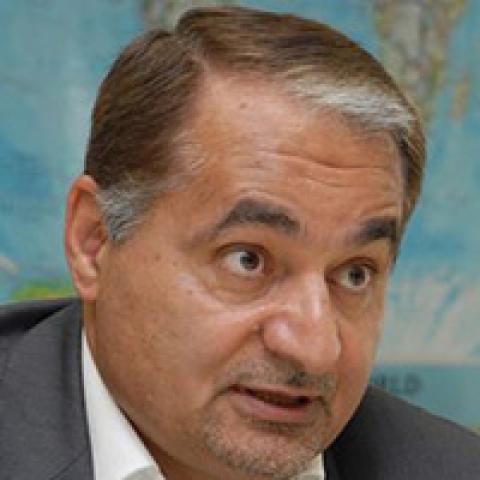

Supreme Leader Ayatollah Ali Khamenei recently accused the United States of “obstructing and damaging Iran’s economic relations with other countries” — in spite of the nuclear deal. This was proof, he said, of America’s “lack of commitment” to its promises, making further talks on regional issues a “deadly poison” that Iran must avoid.
Meanwhile, the Middle East is on the verge of a historically unprecedented collapse. The regional wellsprings of civilization — the Iranian plateau, the Nile River Valley and Anatolia (corresponding with the modern states of Iran, Egypt and Turkey) — are all under severe duress. Two of these three civilizational pillars are teeming with internal strife and discord. The continued stability of Iran is now all that stands between the region and all-consuming chaos.
While regional stability should be a priority for the international community, the forces seeking to undermine the Joint Comprehensive Plan of Action (JCPOA) wish nothing more than to return Iran and the United States to the path of full-scale confrontation. While they have not yet been successful in their efforts to spur Washington into violating the letter of the nuclear deal, their actions have certainly violated its spirit.
Under the JCPOA, Iran committed to verifiably limit the two theoretical pathways to a bomb: uranium enrichment and plutonium production. It also agreed to the highest international standards on nuclear inspections and transparency. Iran has fully abided by these obligations, as verified by the International Atomic Energy Agency.


