



Three years on, wounds of Egypt's deadly sit-in dispersals linger
Many protesters who had participated in the Rabaa al-Adawiya Square sit-in continue to suffer emotionally and physically following the violent dispersal by the police on July 3, 2013.
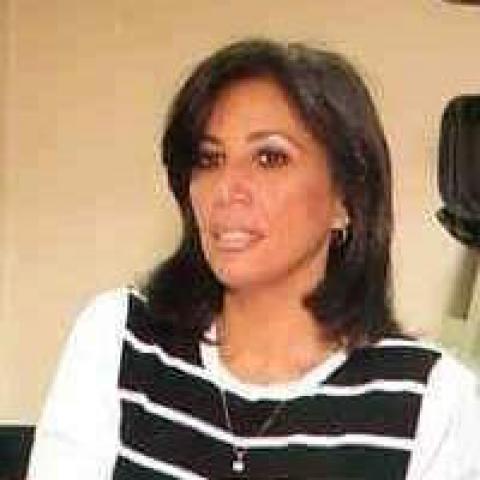

“On this day three years ago, my 21-year-old sister was murdered in cold blood. I knew then that I no longer belong here.”
This bitter comment was published Aug. 14 by IT specialist B. Ibrahim, 28, in a private posting on social media shown to Al-Monitor. Ibrahim was referring to the day in 2013 when 817 protesters were brutally killed by security forces in a bloody dispersal of their encampment in Rabaa al-Adawiya Square in the northeast Cairo suburb of Nasr City.
The Rabaa protesters — mostly Islamist supporters of ousted President Mohammed Morsi — had camped out at the square after the removal of Egypt’s first democratically elected president from power by street protests backed by the military on July 3, 2013. The sit-in demanding “a return to legitimacy” lasted more than five weeks during which the pro-Morsi demonstrators transformed the area around the mosque into a tent city.
Braving the scorching summer heat and with the majority of protesters observing a dawn-to-dusk Ramadan fast, the Muslim Brotherhood sympathizers had taken turns to address the crowd from a makeshift stage. Many of them hailed from provinces outside Cairo and were convinced that they were fighting “a jihad in defense of Islam.” Some of those who took to the podium made fiery speeches and others incited violence against the coup leaders. “Morsi wanted Egypt to be the best country in the region but [Abdel Fattah al-] Sisi and his corrupt police officers took him down,” Islamic cleric Safwat Hegazy said in a speech from the Rabaa platform. Hegazy was arrested one week after the Rabaa dispersal and has since languished in prison along with tens of thousands of other Muslim Brotherhood supporters, detained in the weeks after Morsi’s overthrow.


