



War of the Words: Palestinian poetry broadcast terrifies Israeli right
Israeli Ministers Miri Regev and Avigdor Liberman have attacked Army Radio over a broadcast featuring Palestinian poet Mahmoud Darwish, even though his poetry is taught in Israeli schools.
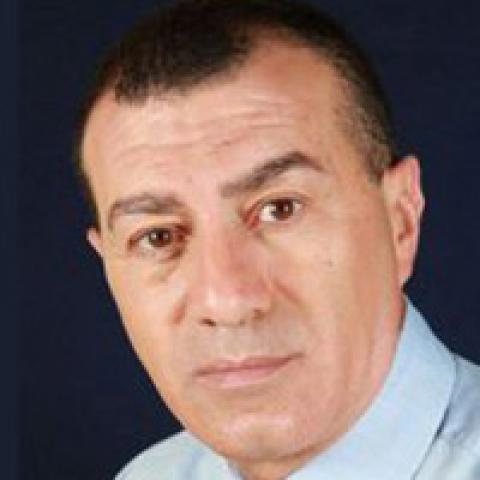

Defense Minister Avigdor Liberman summoned Army Radio commander Yiron Dekel for a reprimand July 20. The station had broadcast a program on the work of Palestinian poet Mahmoud Darwish, as part of a series on formative Israeli texts. “It is obvious that this represents a failure and cannot go unchallenged,” said the defense minister’s spokesperson. He commented that this is a serious matter, as to this very day Darwish’s works add fuel to the fire of terrorism against the State of Israel.
The summoning of the commander of the military radio station for “clarification” by the defense minister led to some angry responses. Zionist Camp Knesset member Shelly Yachimovich, for example, slammed Liberman’s reaction on Facebook, calling it “a step that can only be defined as characterizing fascist regimes.” The Meretz chairman, Knesset member Ilan Gilon, argued, “In a place where poetry is silenced, people will be silenced as well.”
The Darwish storm broke following a Facebook post by Culture and Sport Minister Miri Regev. Regev wrote that she was shocked that Army Radio had featured the work of the Palestinian national poet. “The IDF [Israel Defense Forces] radio station has gone off the rails,” she said, and quoted a section of “Identity Card,” which was featured on the program. In his famous poem, written in 1964, Darwish wrote, “I do not hate people. I steal from no one. However, if I am hungry I will eat the flesh of my usurper. Beware, beware of my hunger and of my anger.”
It made no difference to the defense and culture ministers that the poem was aired on Army Radio as part of a series of formative texts on the station’s “Broadcast University” program. The show targets students who want to broaden their educational horizons. Neither did it matter that Darwish’s poems are already included in Israel’s high school literature curriculum.


