



Israel amps up cyberwar on Palestinian Facebook posts
To fight the Palestinian attacker 2.0, the IDF and Shin Bet are increasing cyber efforts to detect internet posts by potential assailants.
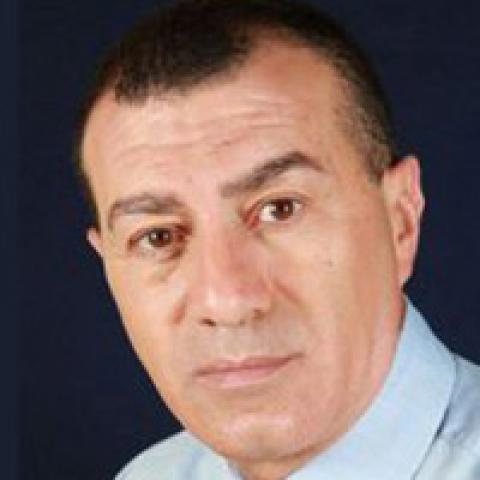

The Facebook page of Muhammad Taraiyre, 17, from the West Bank village of Bani Na’im, who murdered Hallel Yaffa Ariel, 13, in her bed in the neighboring settlement of Kiryat Arba June 30, has set off a war between the State of Israel and the Facebook empire. Public Security Minister Gilad Erdan, who has accused the management of the popular social network of failing to cooperate with the State of Israel in monitoring inflammatory content, told my colleague Ben Caspit in an interview with Al-Monitor, “The Taraiyre case is a classic example [of Facebook posts that] should have been monitored in time, and [the murder] should have been averted.” The youth wrote on his page that “death is a right,” before breaking into Kiryat Arba and murdering the girl. He added a sentence to his post that leaves no room for doubt about his heartfelt desire: “Grave, where are you, aren’t you asking about me? Angel of death, have you not missed me?”
One can assume that the new cyber units in the intelligence branch of the Israel Defense Forces (IDF) and Shin Bet have conducted a thorough investigation to examine why Taraiyre’s post slipped through their monitoring gatekeepers. These agencies will have to figure out how a publicly posted message that was supposed to set off alarm signals managed to sneak under the virtual defense fence erected by Israeli intelligence.
“This is indeed a classic case of a post that indicates harmful intent,” Nimrod Kozlovski, a world-renowned expert on cybersecurity, the internet and cyber law, told Al-Monitor. Regardless of the immense progress made by Israel since the start of the current terror cycle, cyberwarfare does not guarantee total success. Despite developing monitoring engines, upgrading algorithms, constantly adding new data and allocating vast resources for a state-of-the-art, digital-era intelligence system, the huge volumes of traffic on the internet cannot ensure total control by the world’s intelligence services. It is only the managers of the social networks — Facebook, Twitter and others — who have the appropriate tools for comprehensive monitoring that could, perhaps, prevent the next terror attack.
In the past, for example during the second intifada (2000-2005), Israel’s counterterrorism intelligence network was mostly based on information gleaned from intercepting electronic signals, intercepting communications between people and running agents and collaborators in the field. This time around, due to the nature of this intifada and the different profiles of the assailants — independent and spontaneous rather than organized and premeditated — these methods of intelligence collection are less effective.


