



Is Israel doomed to live with terror?
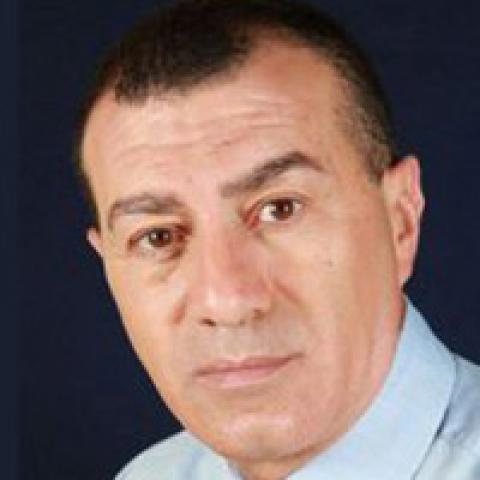
Former Mossad Deputy Chief Ram Ben Barak disagrees with Prime Minister Benjamin Netanyahu's position that Israel is doomed to live with terror, claiming that it is up to Israel to decide if it wants to pay the price of occupation.

In the course of the second intifada, Yaakov Gilad and Yehuda Poliker wrote a sad hymn on the daily life of the Israelis who experienced the terror of suicide bombers. The words of the song, “What My Love Is Called,” pulled at the heartstrings of anyone who feared being the victim of the next attack. “Who is next in line, and who is standing in the next line?” sang Poliker about the gloomy and bloody reality that continued for about five years.
A decade and a half has passed since the beginning of the second intifada. It appears that the current uprising — the "individual" or "knife intifada" are only some of the various names given to the recent terror wave — have brought this sense of personal vulnerability to Israelis. And every time the wave seems to be dying down, along comes another series of attacks that proves it is not a passing phase.
On July 1, Rabbi Michael Mark was murdered in a drive-by shooting. One day earlier, Hallel Yaffa Ariel, 13, was killed in her sleep at her home in the Kiryat Arba settlement. About three weeks earlier, two residents of Yatta, near Hebron, killed four Israelis while they dined at the Sarona shopping and entertainment complex in Tel Aviv.
In addition to these attacks, recent weeks have seen many other attacks in various places in the country — for example, in the city of Netanya, in the southern Hebron Hills, Ariel and the Etzion settlement bloc.


