



What's next in Western Sahara dispute after death of Polisario leader?
Late Polisario Front leader Mohamed Abdelaziz kept the dispute over Western Sahara peaceful, but a fruitless, 25-year-long cease-fire with Morocco has young Sahrawis impatient.
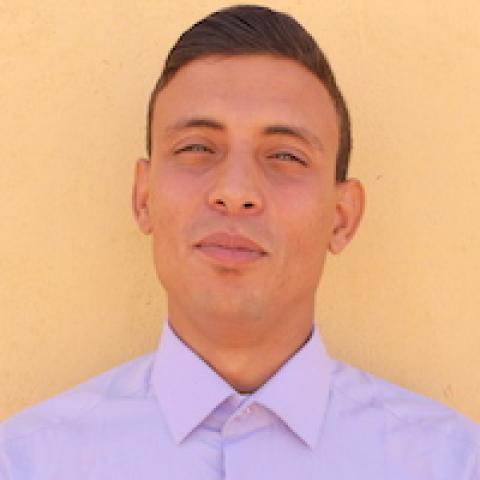

TINDOUF, Algeria — The death this week of longtime Polisario Front Secretary-General Mohamed Abdelaziz provoked waves of mourning, condolences from international leaders and speculation about the Western Sahara independence movement's next steps.
Abdelaziz, 68, died the morning of May 31 in the United States following five days in a coma, according to sources close to him who wanted to stay anonymous.
Many Sahrawis, the indigenous people of Western Sahara — a disputed territory claimed by Morocco — immediately started expressing condolences to each other in their refugee camps in Algeria, visiting each other or sharing posts on Facebook and other social media outlets. Especially heartbreaking was the scene at the refugee camp in Boujdour where Abdelaziz had lived. Women wailed in the streets and people talked about how hard it was to believe the news.
Algeria's president declared a week of mourning. News website The Diplomat reported that Spain announced its regret over Abdelaziz's death, which the website said was caused by lung cancer.


