



Will Tehran's top Reformist MP take last shot at political leadership?
With Iran's next parliament close to being sworn in, Reformist frontrunner Mohammad Reza Aref is likely to challenge Ali Larijani for the position of speaker.
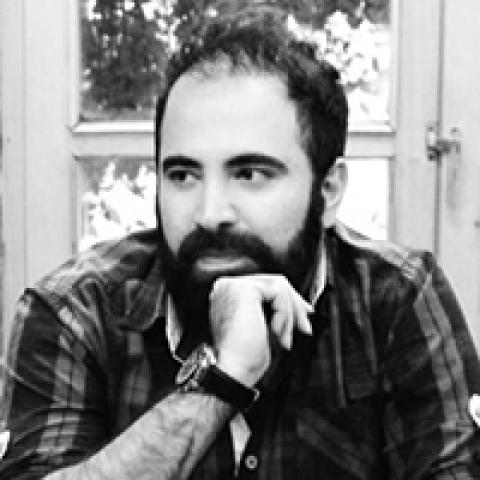

TEHRAN, Iran — “After our victory in the parliamentary elections, Mr. [Ali] Larijani contacted me to congratulate us. But we never held any conversation regarding the post of parliament speaker. I reject [talk of] agreeing or negotiating with Mr. Larijani on this issue.”
These are the words of Mohammad Reza Aref, the head of the Reformist ticket for the Tehran constituency in Iran’s parliamentary elections held in February. Having secured the highest number of personal votes, Aref was elected to Iran’s next parliament with more than 1.6 million ballots cast in his favor. Those on the “List of Hope,” which included names from the Reformist camp as well as supporters of the moderate government, secured a resounding victory in Tehran, winning all of the voting district’s 30 seats. In total, the Reformist-moderate coalition won 86 out of parliament’s 290 seats. Its main rivals, the Principlist coalition, was badly defeated in Tehran, where it failed to elect even a single representative. However, the Principlists' performance was much better in smaller cities, ultimately leaving the coalition with 67 seats. Of the remaining seats in Iran’s next parliament, 55 went to independent candidates and 11 to the moderate conservative “Voice of the Nation.” Meanwhile, the contest for 71 remaining seats went into a second round.
Because no party or political movement was able to win an outright majority, it is very difficult to predict the next speaker. However, there is little doubt that the competition for this important position will be between none other than Aref and the incumbent, Larijani.
Larijani has been speaker for the past eight years, after defeating his predecessor, veteran politician Gholam Ali Haddad-Adel. Haddad-Adel, who also ran in the Feb. 26 parliamentary elections as head of the Principlist list in Tehran, came in 31st in the capital, leaving him unable to enter the next parliament. Larijani, who made his way into parliament for a third time through the city of Qom, has great chances of extending his position as speaker. For one reason, some of those on the List of Hope are veteran politicians who are loyal to Larijani and will thus naturally choose their old friend if it comes down to a contest between him and Aref. At the same time, the Principlists, who are unable to propose their own candidate for speaker, all prefer Larijani — who has Principlist roots — despite their many differences with him in recent years, including over how parliament is run, the ratifications of the Joint Comprehensive Plan of Action and Larijani’s interaction with the government on economic issues. It should be noted that President Hassan Rouhani has during his almost three years in office shown that his administration gets along well with Larijani. This factor alone could prompt the government to prefer Larijani to continue as speaker.


