



Why is Israel detaining a clown?
Circus artists around the world are protesting the arrest and detention of Palestinian performer Mohammad Abu Sakha.
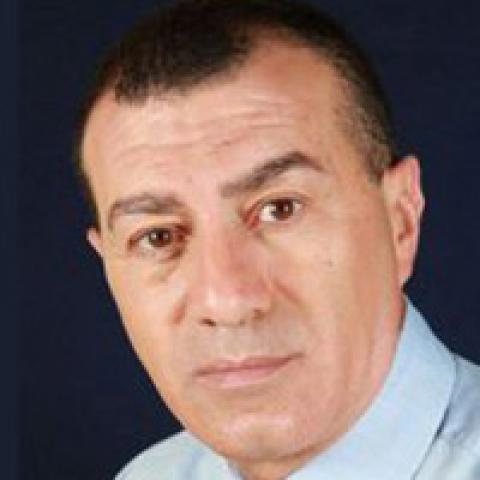

Writing an article about a Palestinian prisoner held in Israeli administrative detention means walking a thin line. Such prisoners are detained by the Israeli security establishment without an indictment or a trial date. In some ways, this author is quite like the prisoner, his lawyers, his family and his friends. Neither he nor they know the reason for the arrest, or what intelligence was gathered against the suspect to lead the Shin Bet to conclude that he was involved in planning a terrorist attack. And there is an even more daunting question: Why did the authorities decide to use administrative detention, a controversial tool by any standard, rather than a more transparent criminal procedure, which would allow the courts to rule on it?
Over the past few years, I was asked on more than one occasion by my editors to interview and write about several notable administrative detainees, some of whom attained fame (or at least notoriety) because of their long hunger strikes. At the time, I had no real way of knowing if they were "ticking time bombs" with knowledge of an imminent terror attack, as the security forces claimed (and whose arrests could then be justified under international law as a last resort necessary to prevent an attack). The other option would be that Israel chose this tool because it lacked solid evidence, which would lead to an indictment and conviction in court.
The fact is that all of the administrative detainees who made hunger strikes over the past few years, including Khader Adnan in 2015, Samer Issawi in 2013 and Muhammad al-Kik in 2016, became heroes of the Palestinian struggle by forcing the Israeli authorities to reach an arrangement with them. And what a surprise! As soon as that happened, they were no longer considered security risks, and certainly not “ticking time bombs.” So were they really such a threat before their arrests?
Today, the administrative detainee in the international spotlight is Mohammed Abu Sakha.


